 1914
1914Cottage Grove Inn
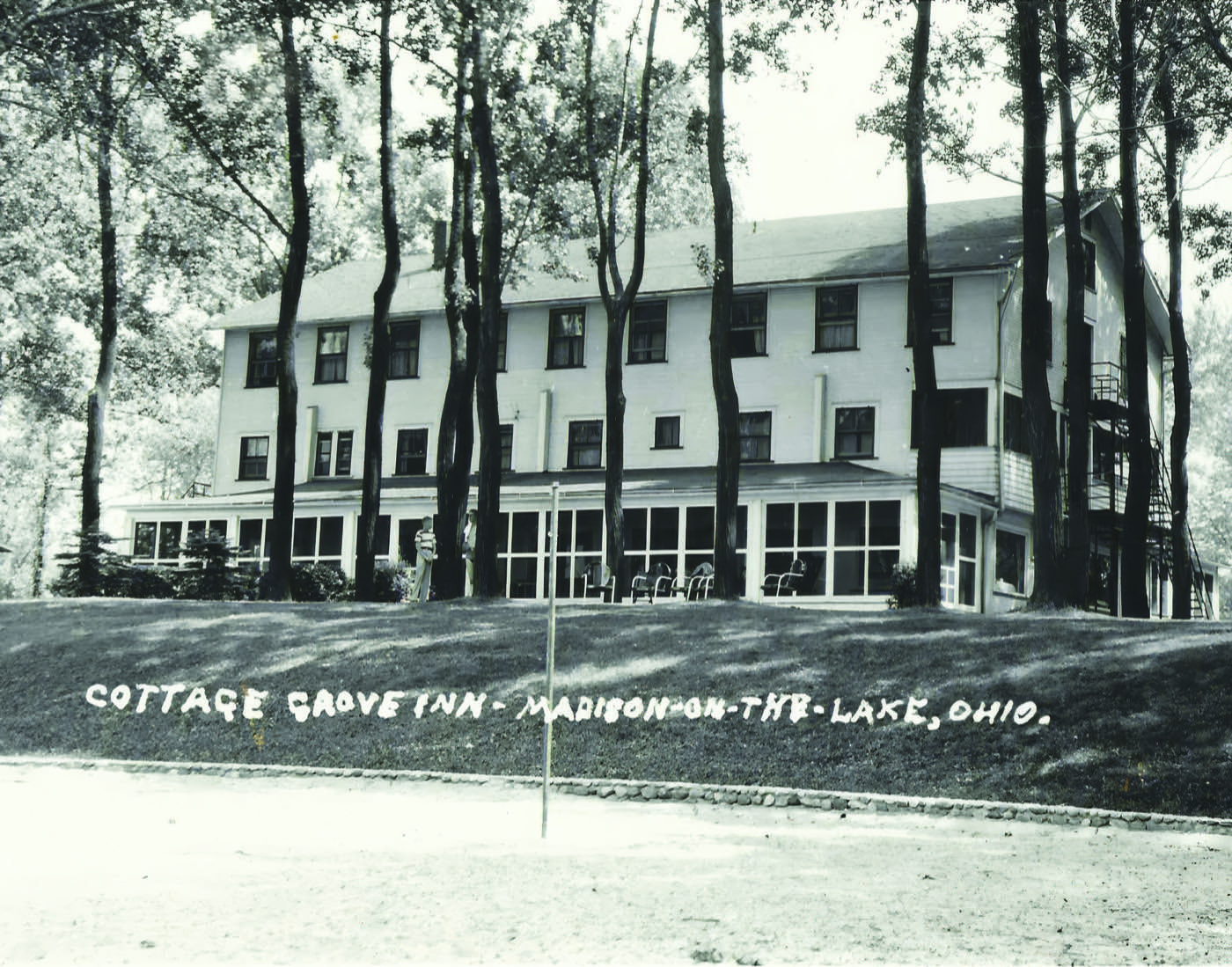
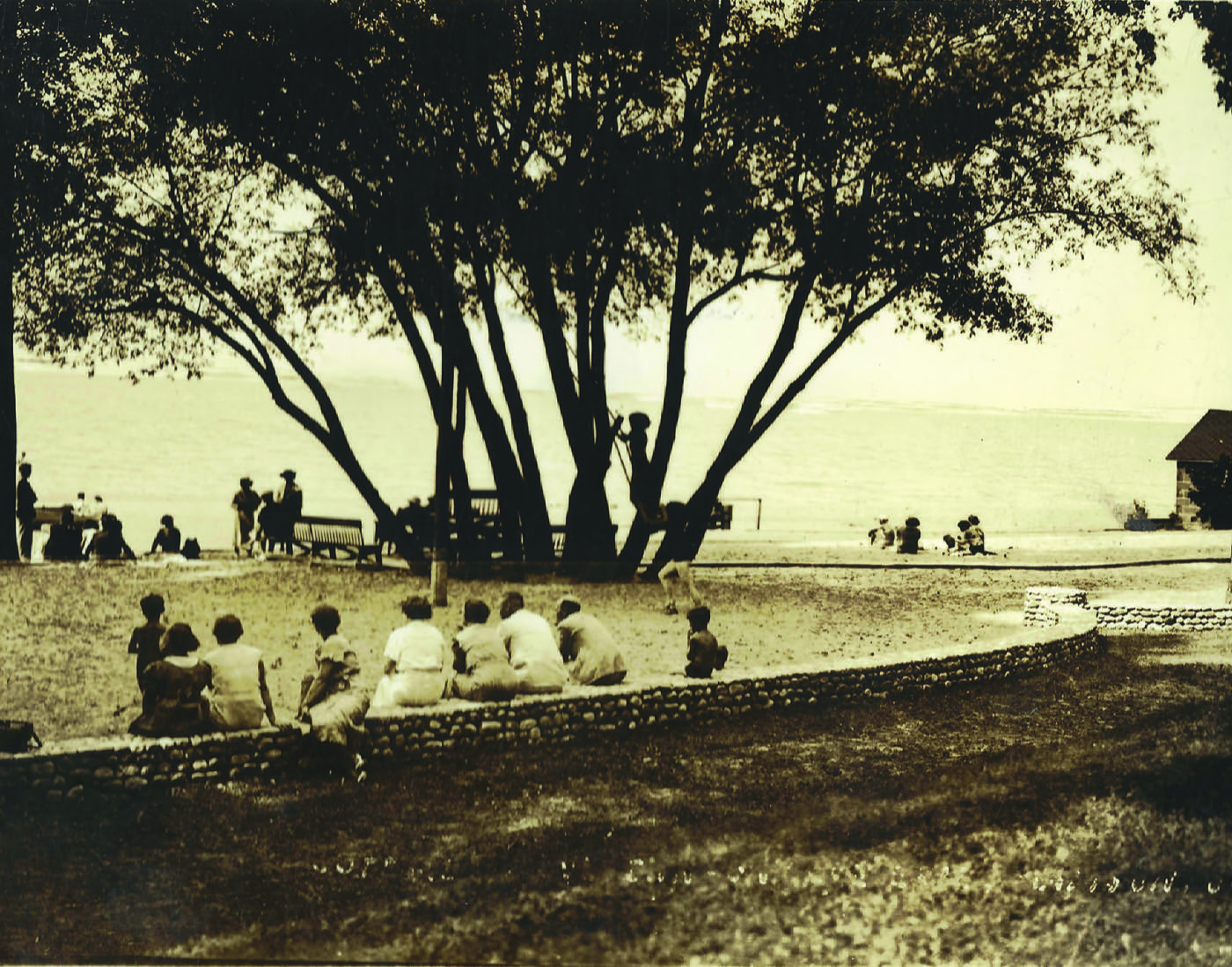
Dr. J. V. Winans builds a forty-room summer boarding house above the beach. It runs forty-eight seasons, most of them under the Snell family.
 An unfinished houseBook a TableBook a Room
Madison, Ohio · On Lake Erie
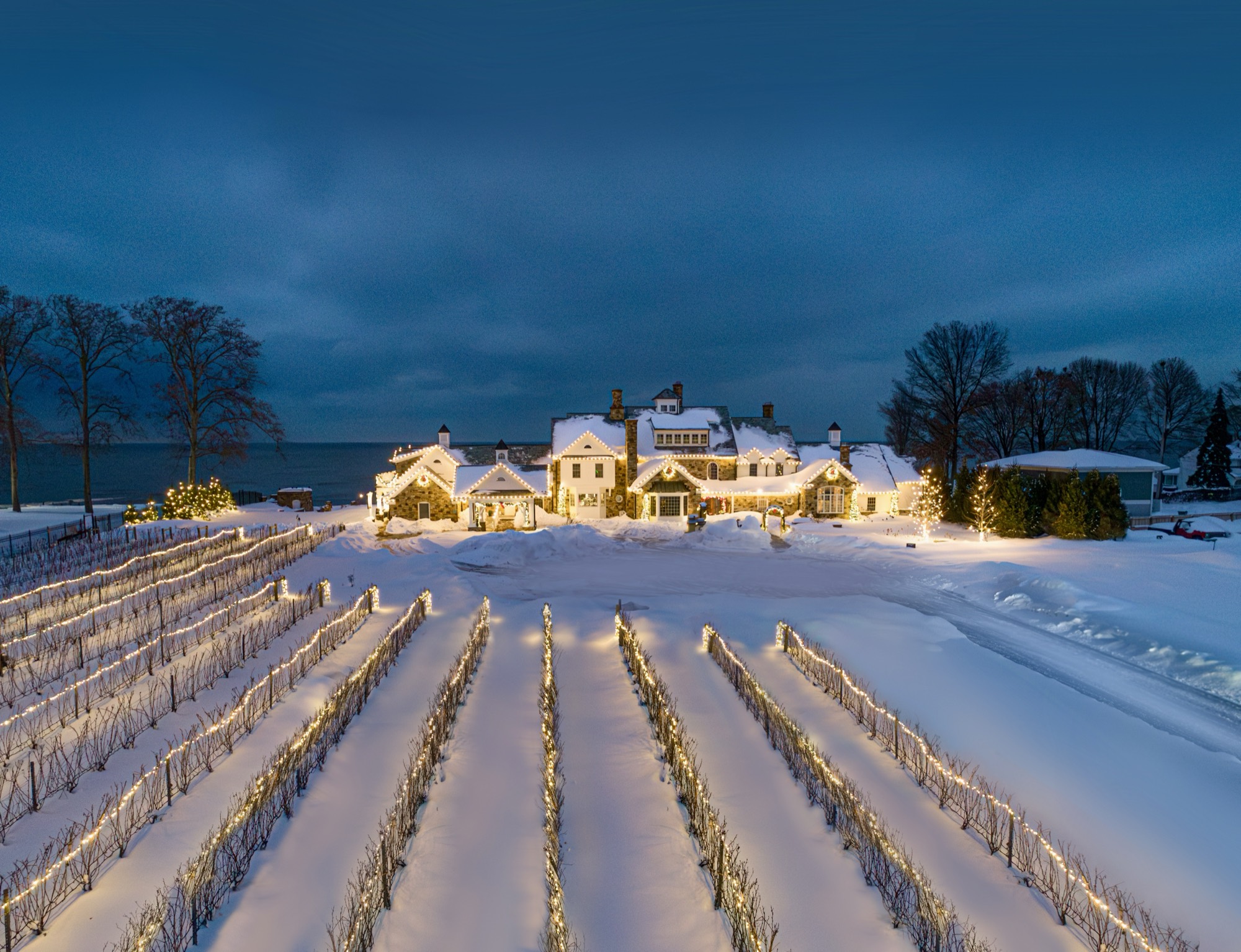
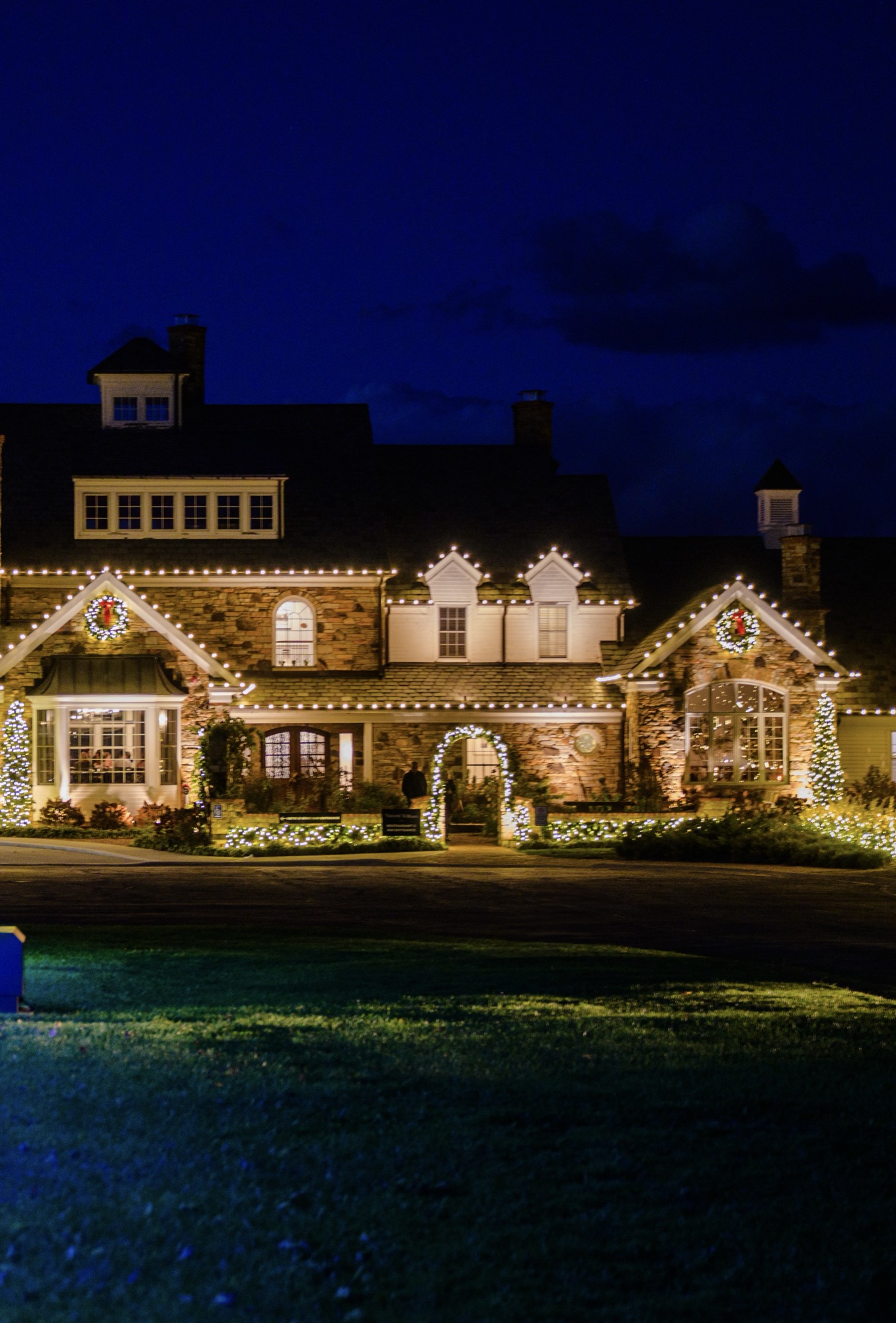
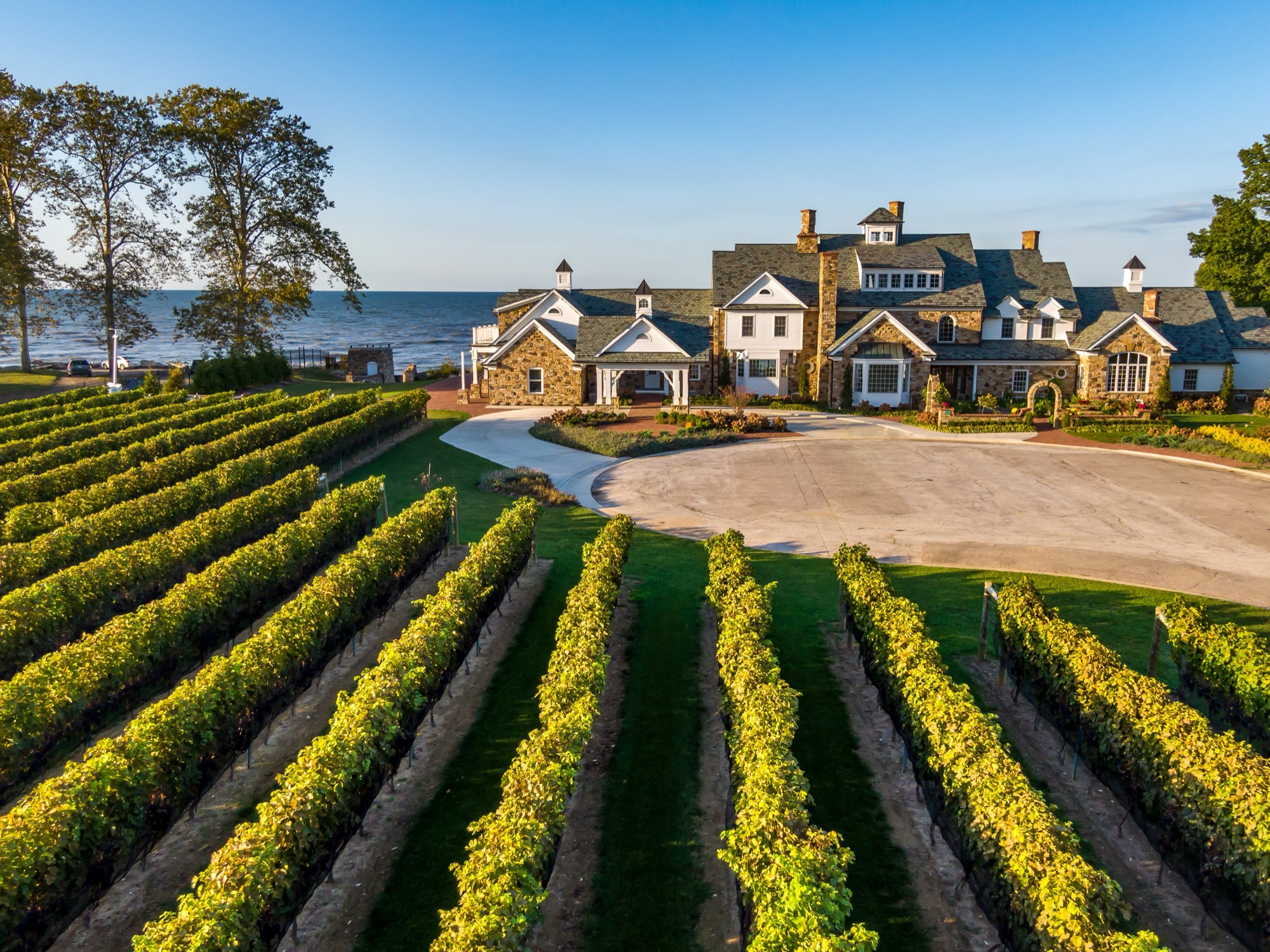
In 2016 Michael and Katy Profeta bought a stone house above Lake Erie that nobody had ever finished. Eight years later it opened as a winery, a restaurant and an eight-room inn — forty-five minutes from downtown Cleveland.
Madison, Ohio
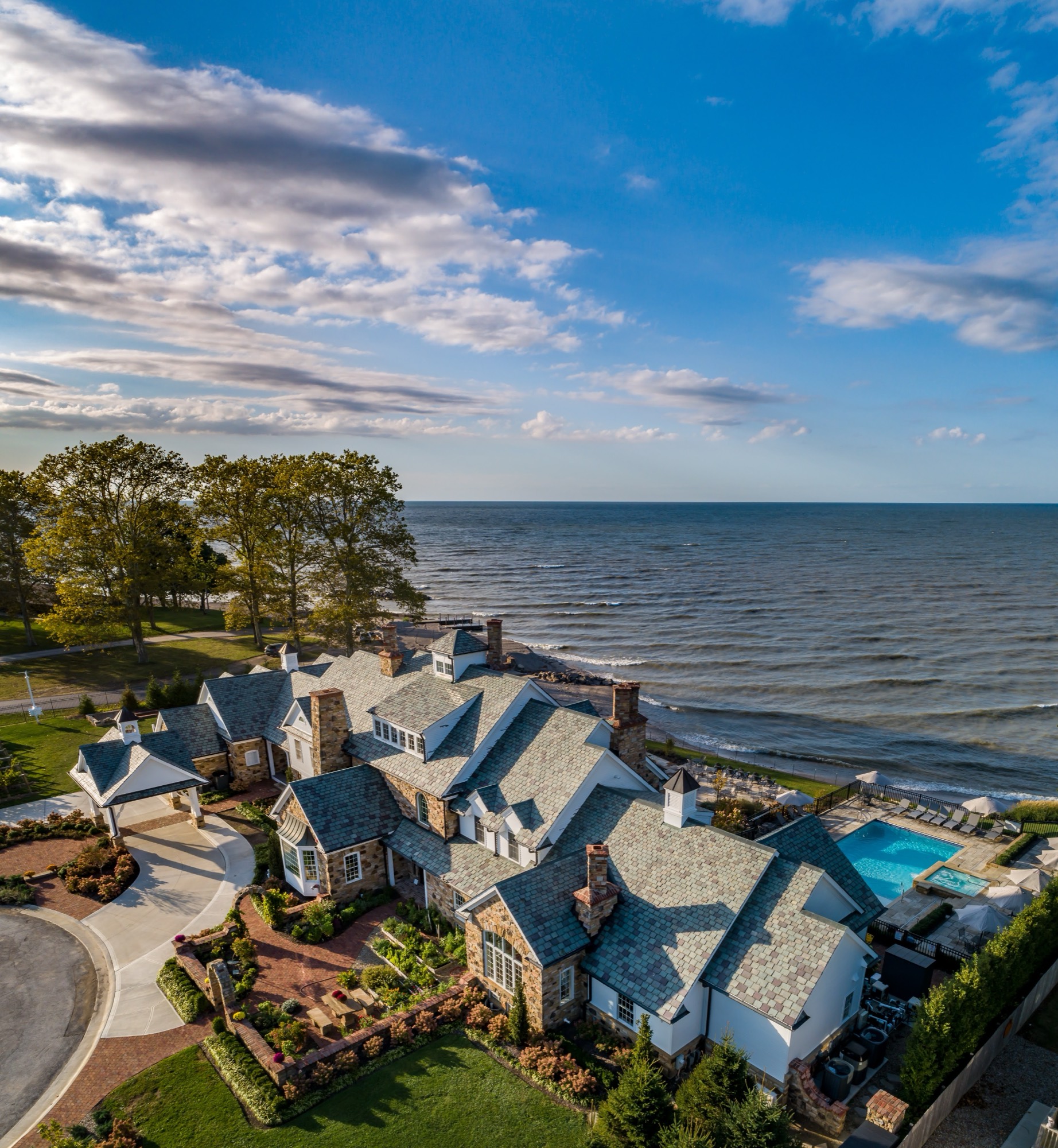
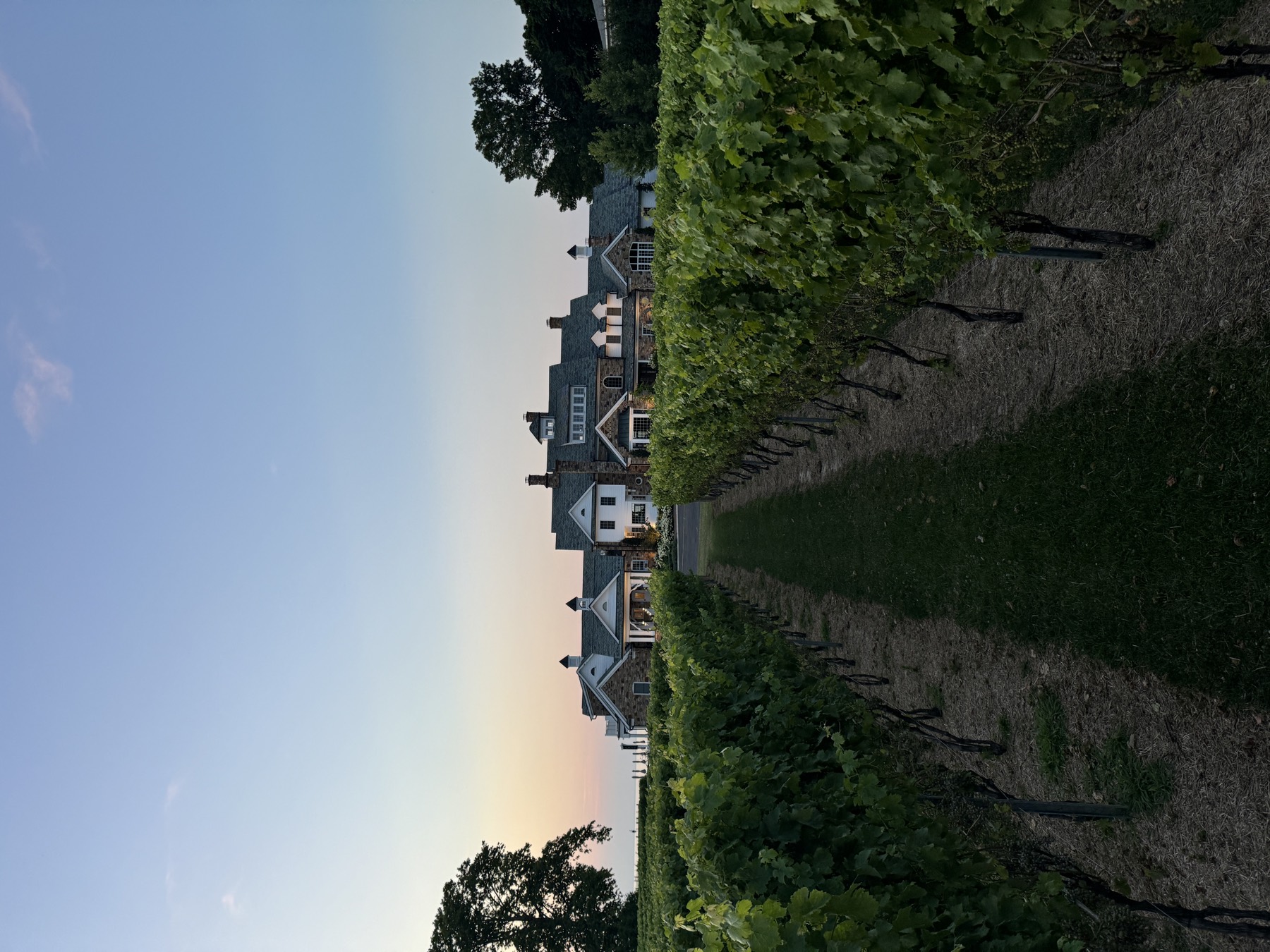
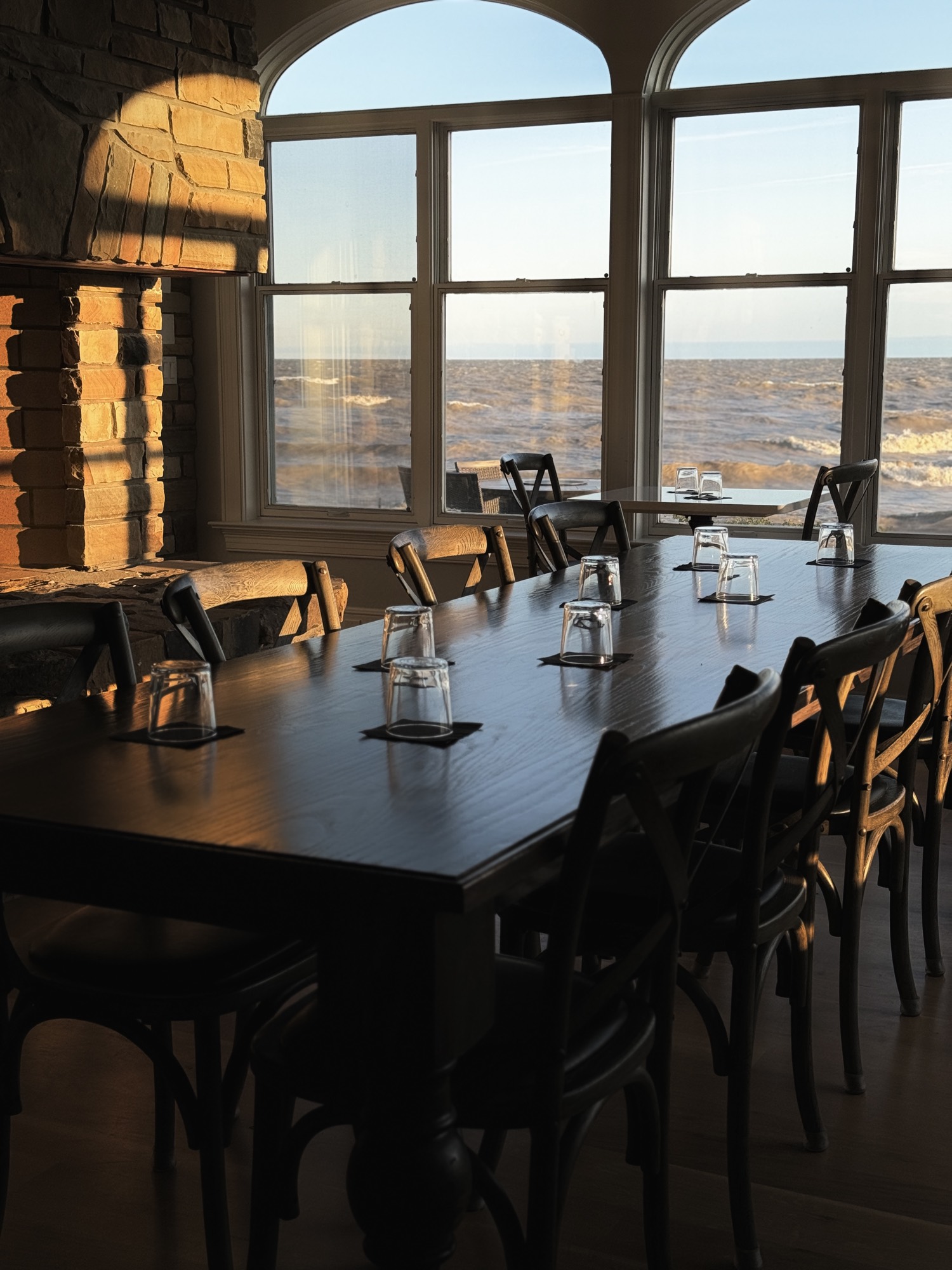
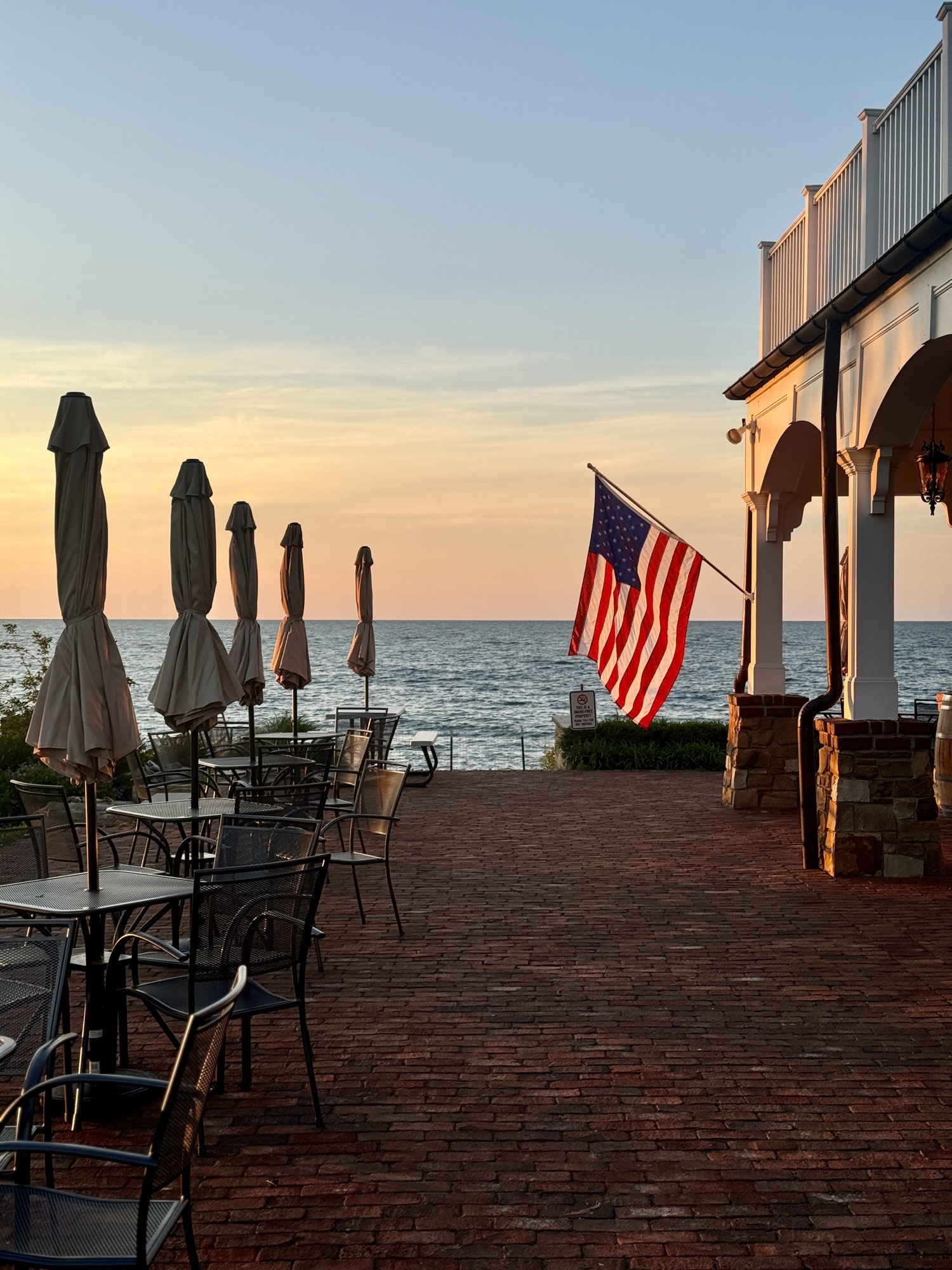
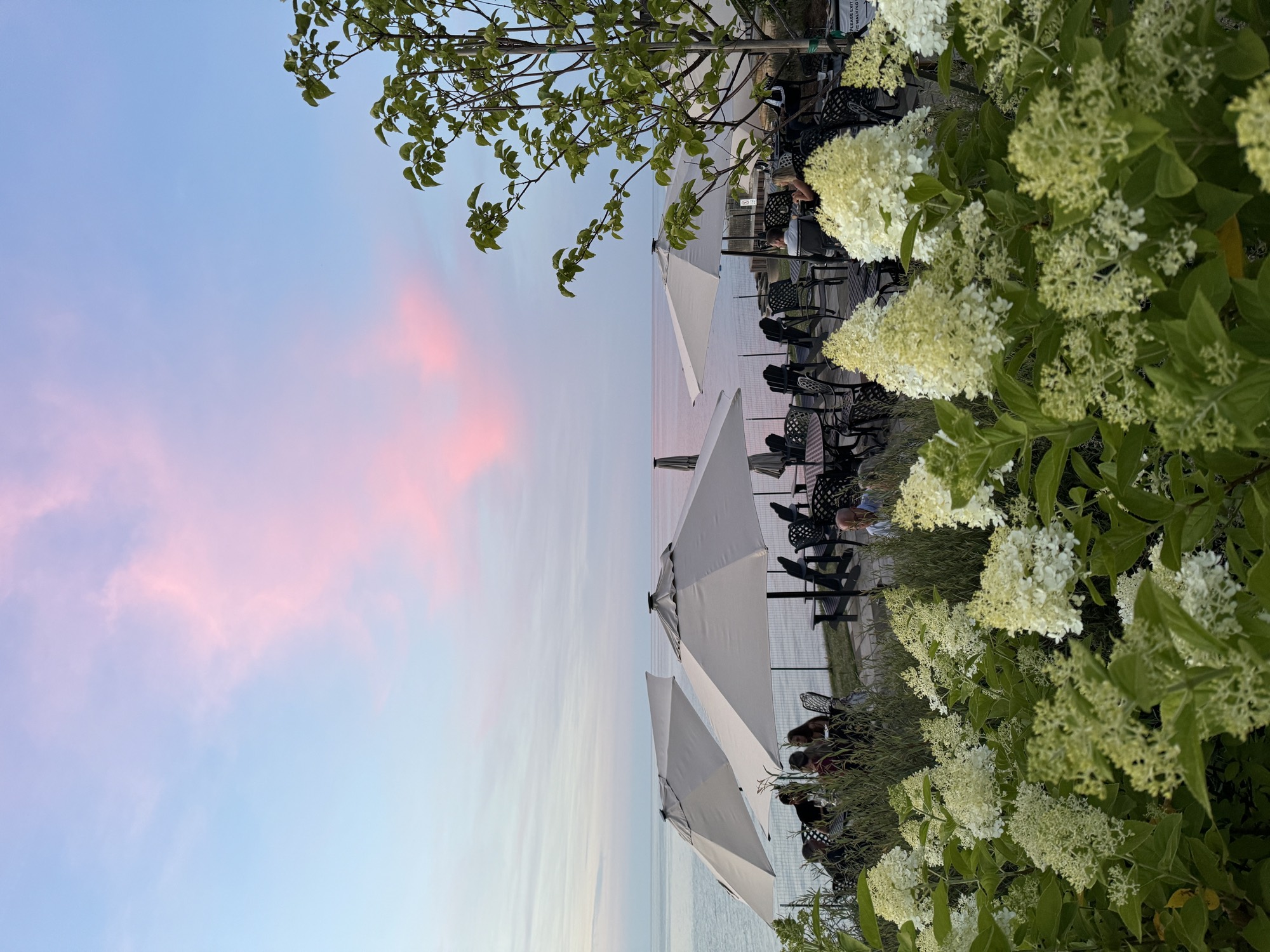
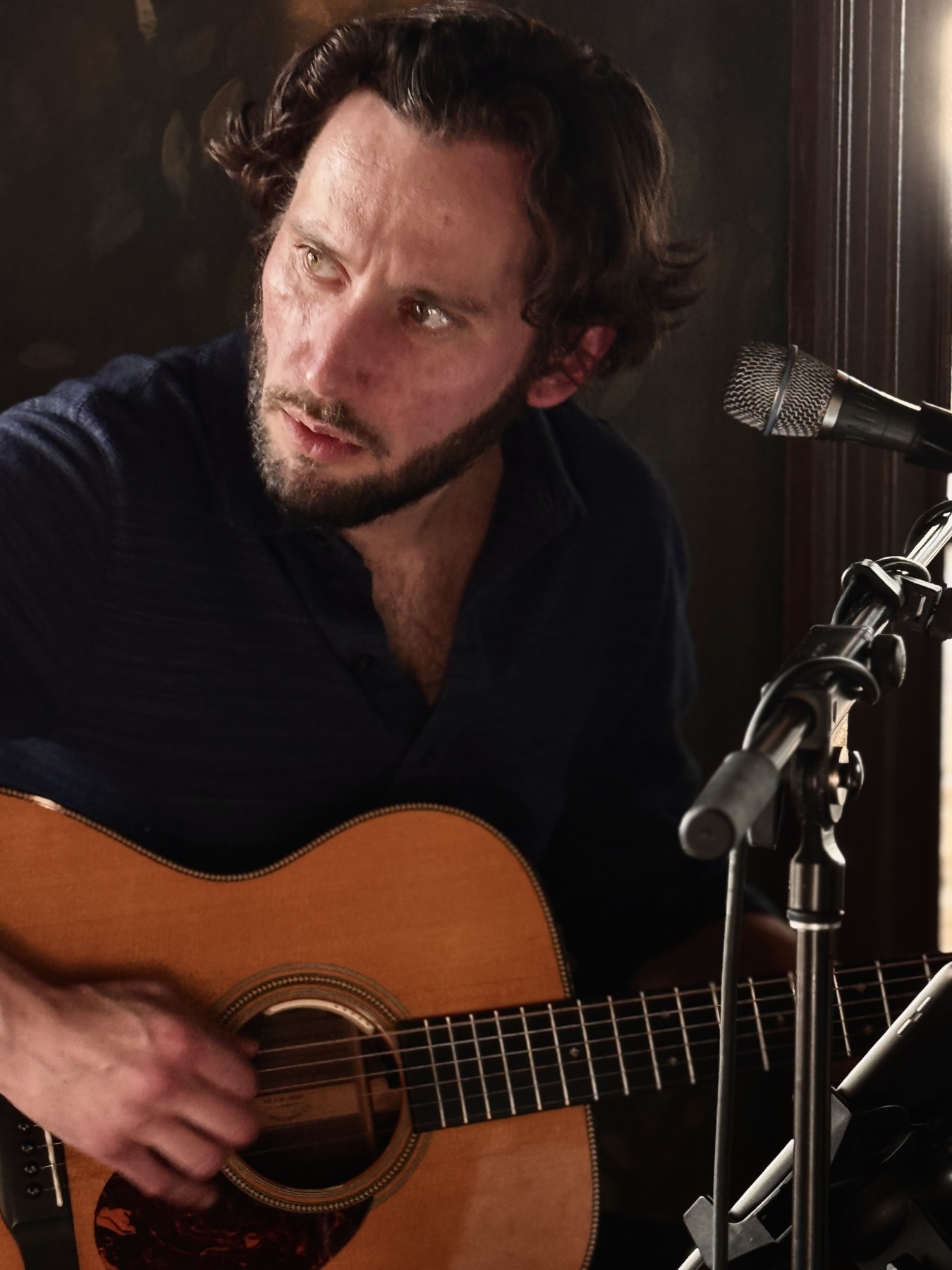
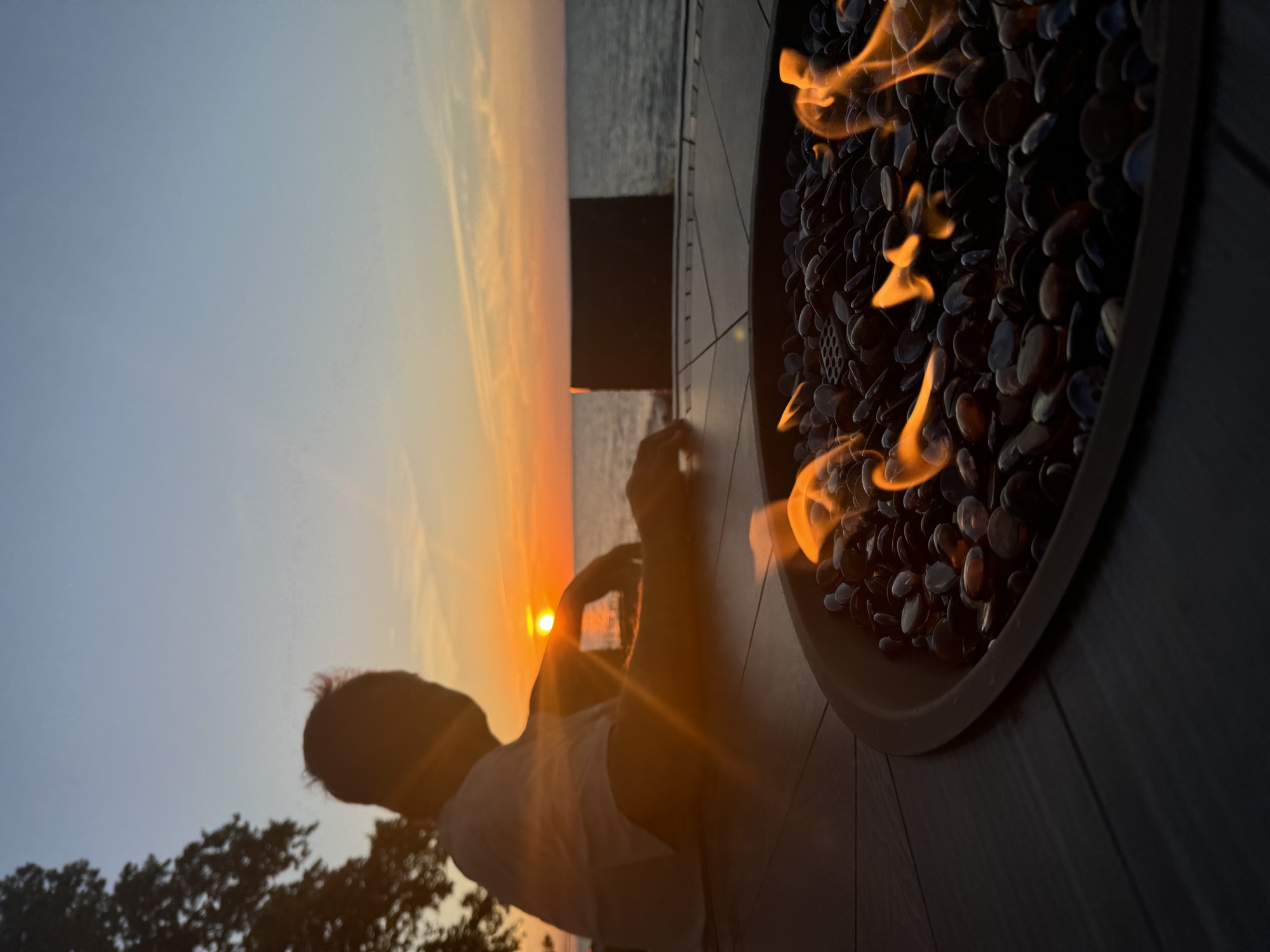
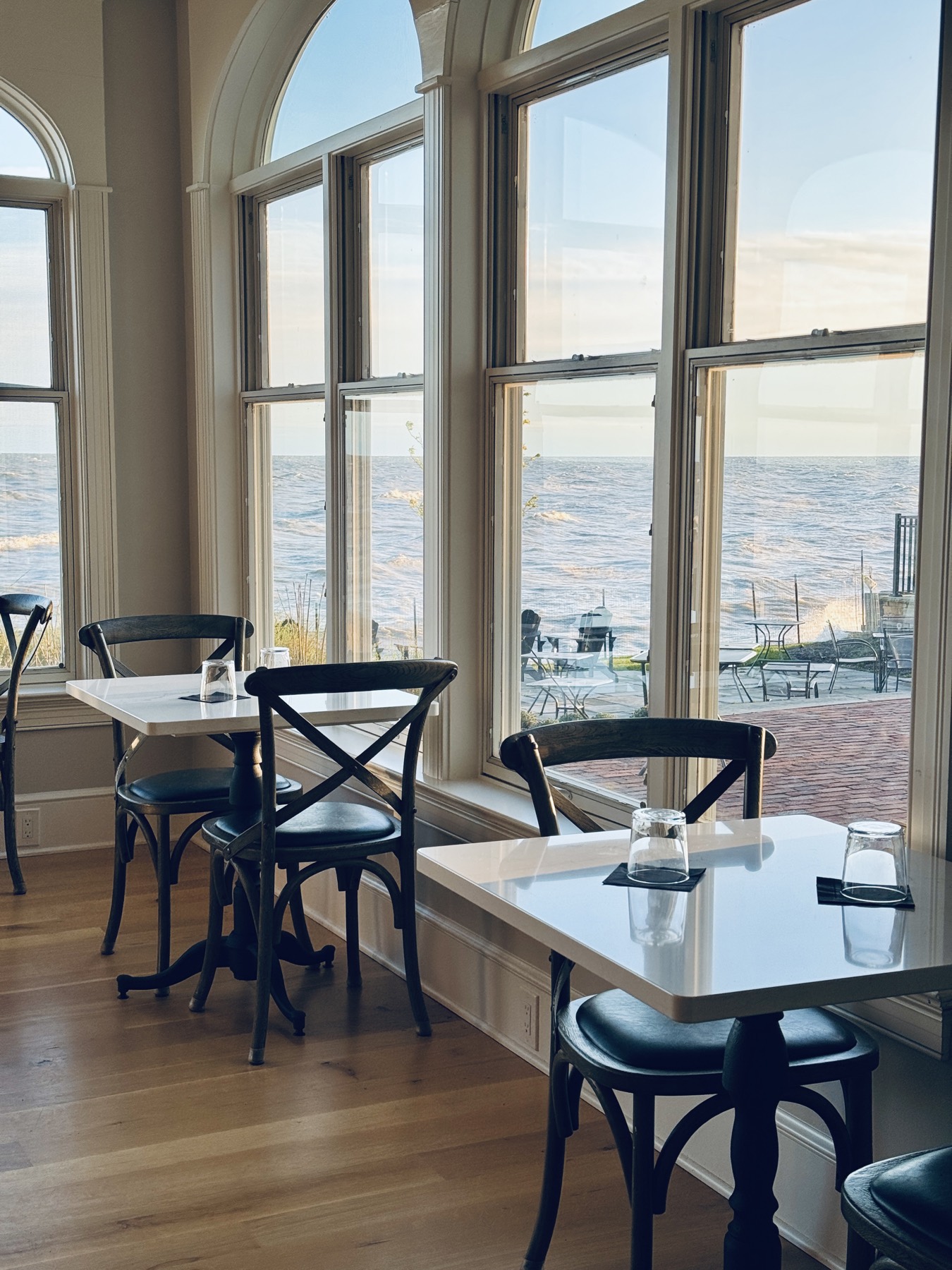
On a Friday evening in August the patio fills before the dining room does. The umbrellas are up. Somebody is playing guitar in the corner by the windows, and the sun is taking a long time going down into Lake Erie. Below the lawn there is a steel seawall, and below that, a beach.
Ten years ago there was no plumbing in this building and not one finished room in it.
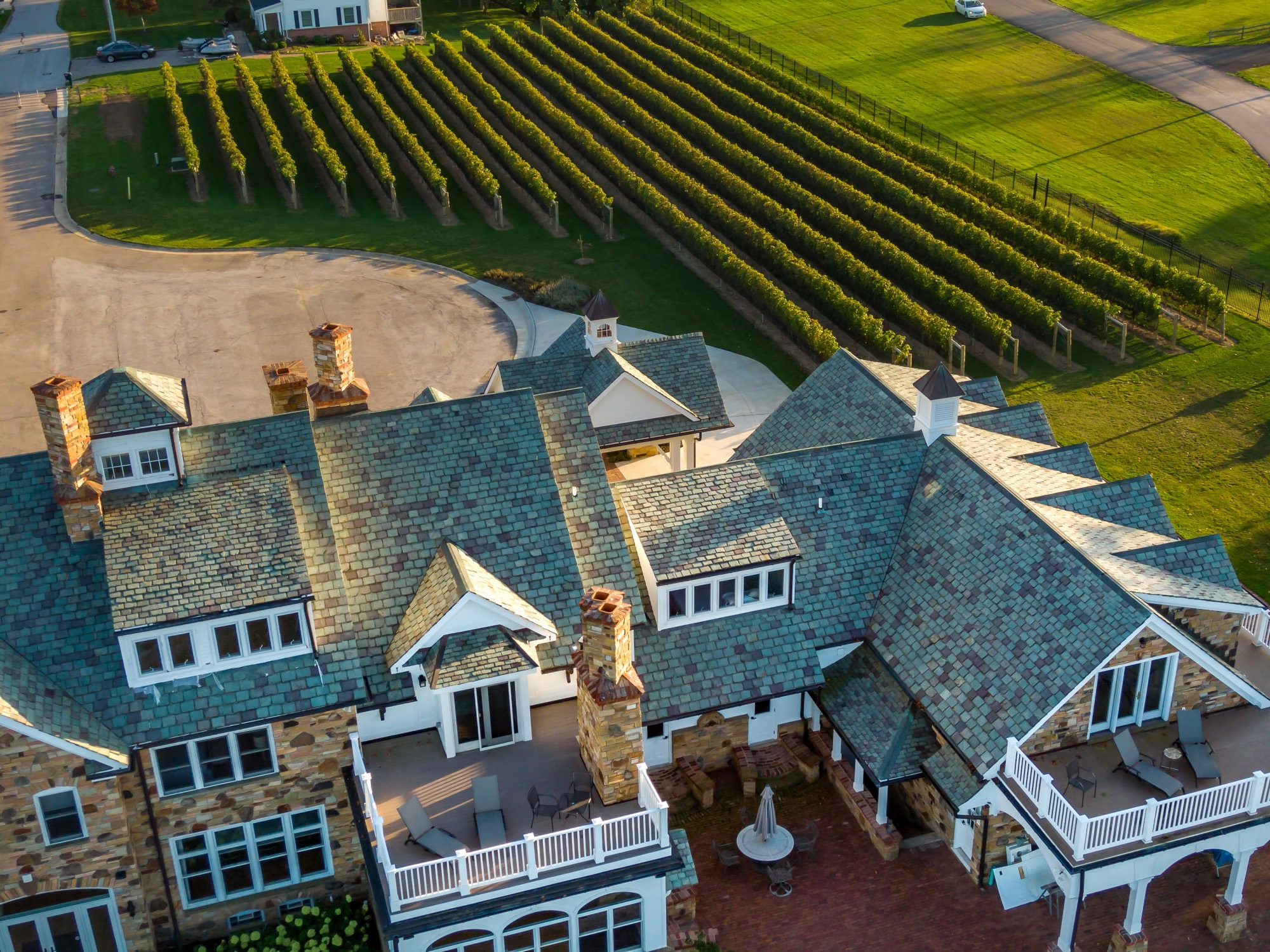
Michael Profeta was dropping a friend off near the shore when he passed it — fifteen thousand square feet of stone and cedar under a slate roof, the whole north side facing open water, and a sign out front. He was not shopping for a house. He and his wife, Katy, bought it in 2016 anyway.
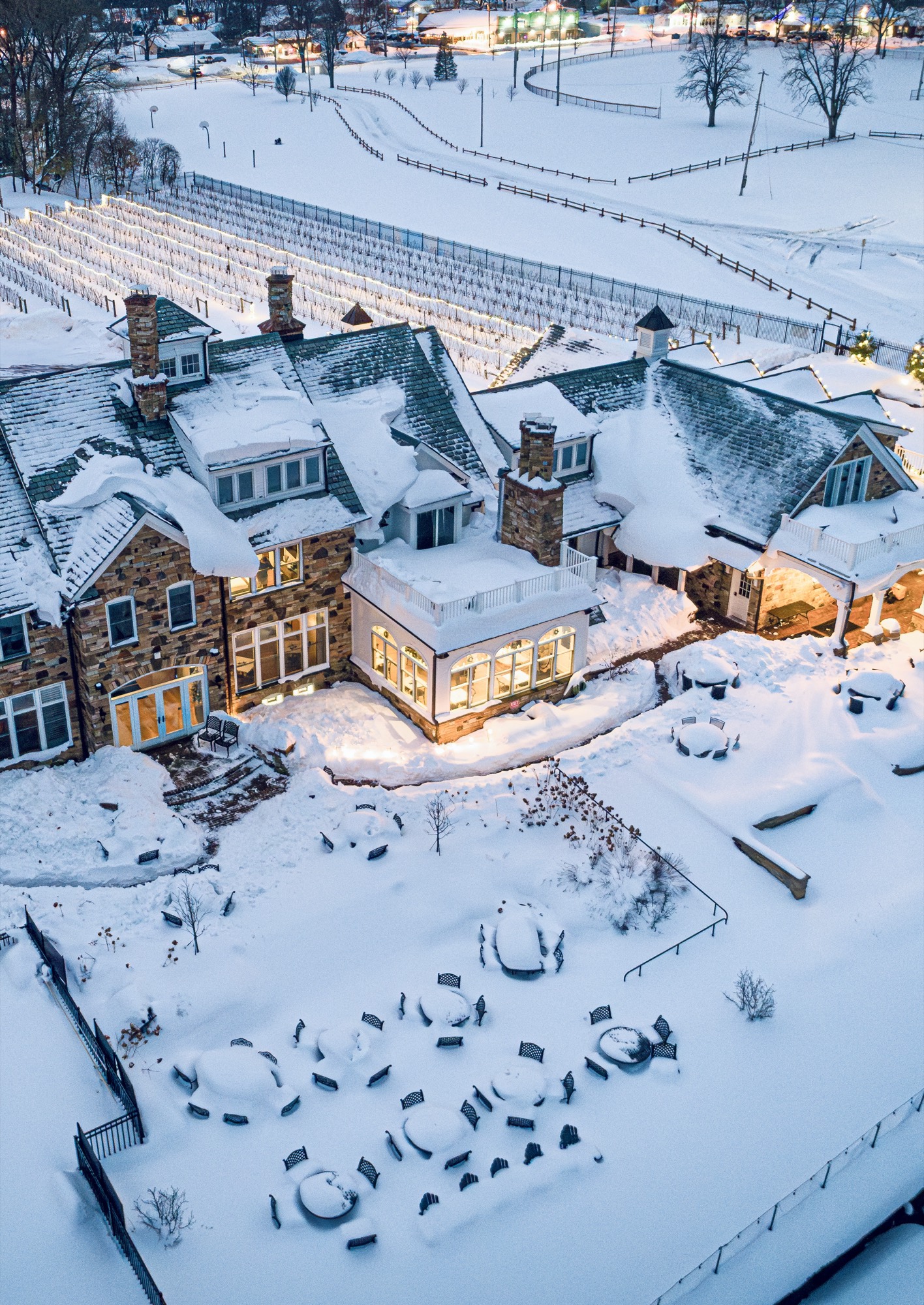
What they got for the money was an exterior. A family had started the house in the late 1990s and never made it past the shell; there was no plumbing in it, and not one finished room. A bank held it for about five years. A group of investors bought it, could not agree on what it should be, and put it back on the market in 2015.
It would be eight more years before anyone ate dinner in it. In between came a re-zoning, a year lost to a sprinkler system, a pandemic, and an acre of Cabernet Franc planted in ground that was not supposed to give usable fruit for three seasons and gave it in fourteen months.
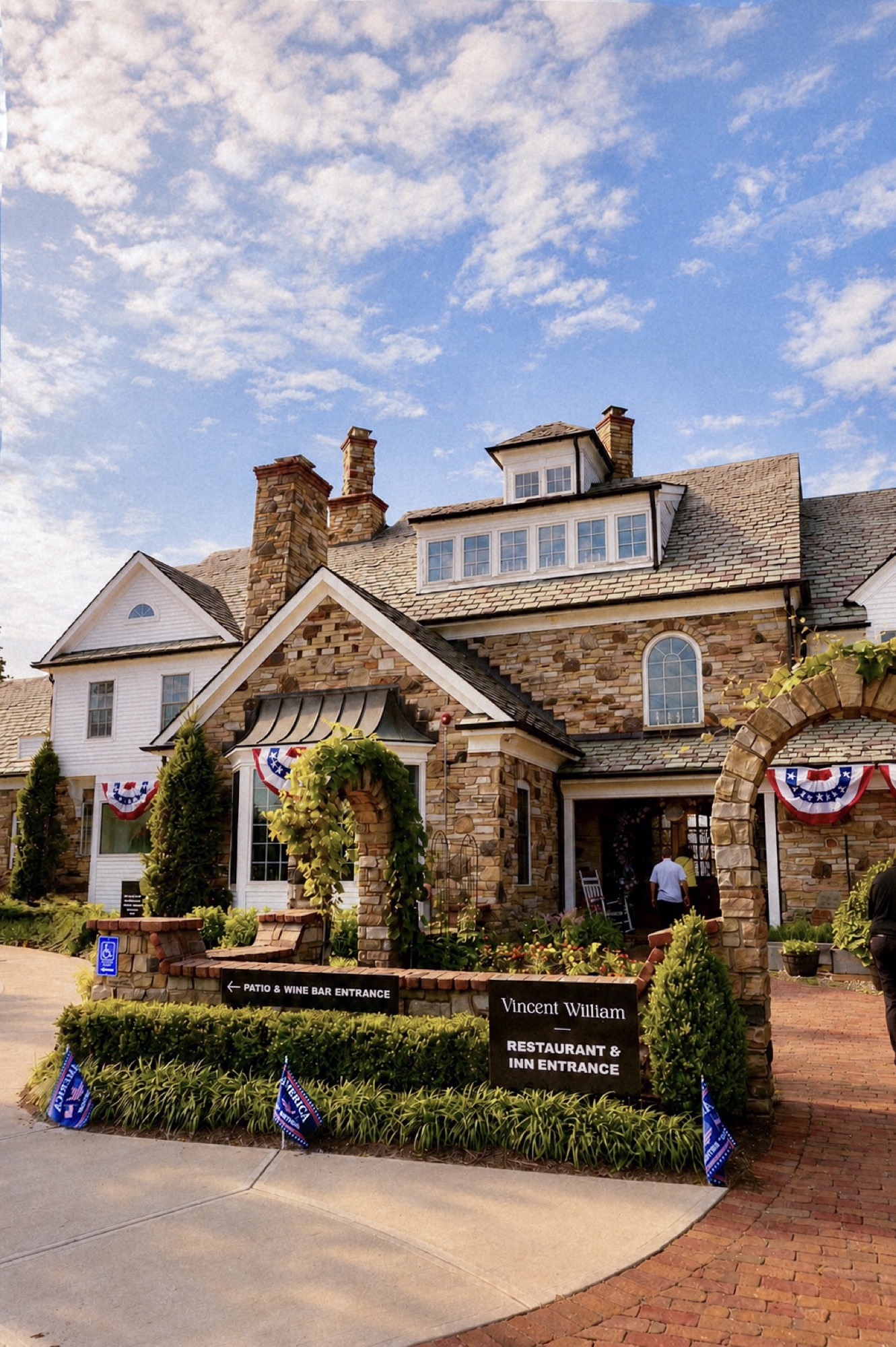
Vincent William opened in February 2024 — a winery, a restaurant and an eight-room inn on a stretch of shoreline that had been in the hospitality business once before, and lost it to the lake. It is forty-five minutes from downtown Cleveland.
The House · 2016—2018
Inside, the house was a shell: stone walls, bare framing, and through every window on the north side, Lake Erie. In August the sun sets into it. By February the view runs to ice at the horizon.
Most people would have looked and driven home. Michael and Katy bought it, which left them with the question nobody before them had answered: what is a house this big for?
Three owners had tried. A family started it in the late 1990s and never got past the shell. A bank held it for five years. A group of investors bought it, could not agree on what it should be, and sold it again.
Michael had an answer and did not know it yet. For twenty years he had made wine at home, five gallons at a time, and given it away. It took until 2018 to put the hobby and the house together.
First, a warm-up. At the top of the street sat a duplex, decades older than the house. Michael and Katy fixed it up, listed it on Airbnb, and a paying guest checked in.
It ran late and over budget. So did the next eight years.
“Now mind you, we weren’t shopping. I’m not looking for a house. I’m not looking for a project.”
Michael Profeta
The Wine · 2018—2025
Michael had never sold a bottle of wine. He ran a healthcare business. The wine went to friends.
Then, in 2019, he went to his first wine conference.
“I saw an anomaly. Here was this incredible property sitting unfinished and without a purpose, and I couldn’t stop thinking about what it could become.”
Going from five gallons to several hundred is not a matter of multiplying a recipe. It is farming, chemistry, weather and timing, all at once. Michael has two words for what he brought to it: delusional confidence.
So he picked up the phone and called winemakers who had already made the jump. The best thing they gave him was not a technique. Decide what the wine should taste like in the glass before you start — fruit-forward, or dry and structured — and make every decision in the cellar serve that answer.
He also needed a reason to believe grapes would ripen here at all. The vines sit at 42° north, a hard latitude for wine. Lake Erie is what makes it work. It is the shallowest of the Great Lakes, sixty-two feet on average, so it warms and cools slowly. In May the cold water holds bud break back past the last frost. In October the heat it stored all summer keeps the first frost away a few weeks longer. That buys about 175 days of season, enough on this shore to ripen Cabernet Franc.
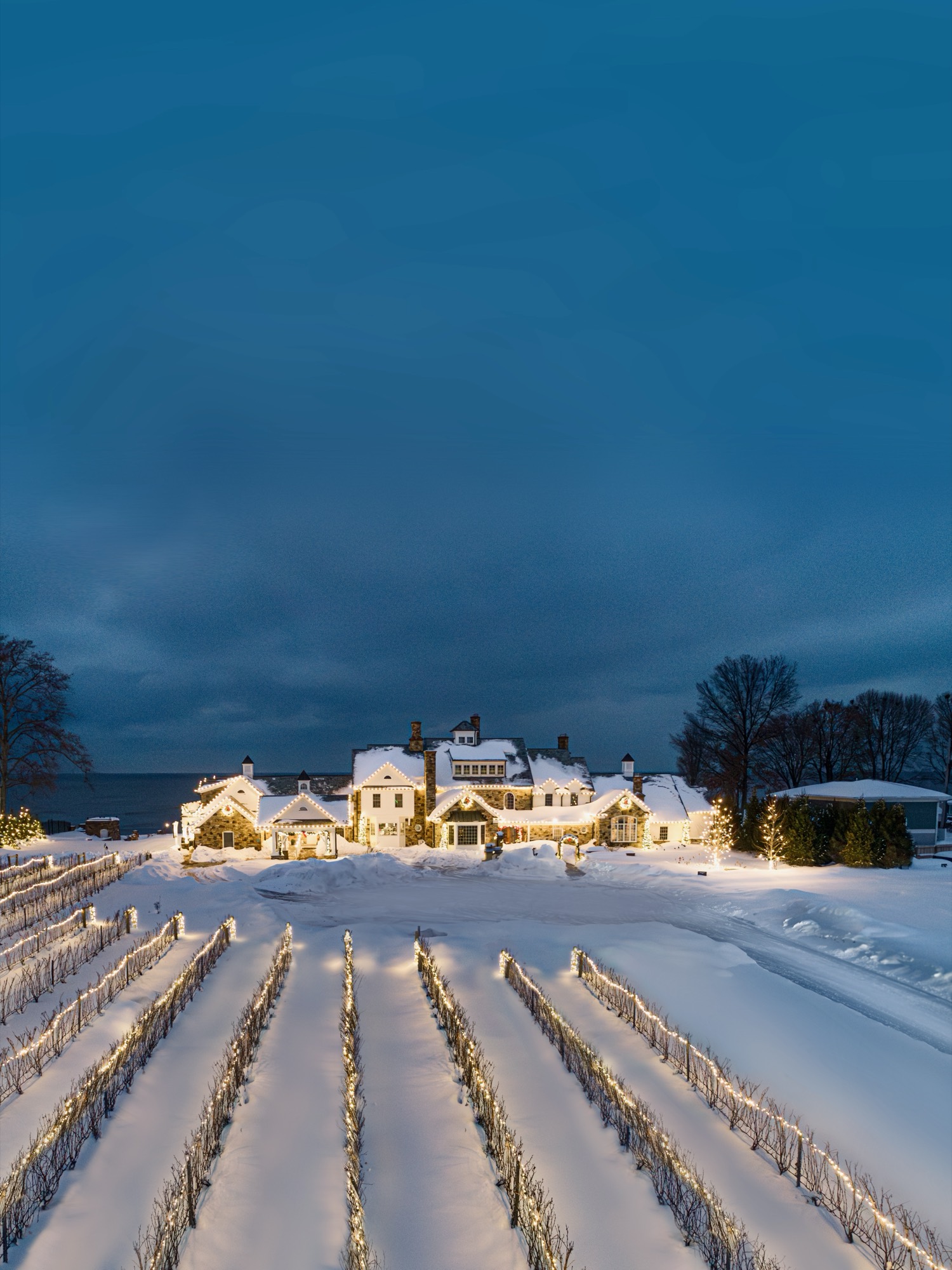
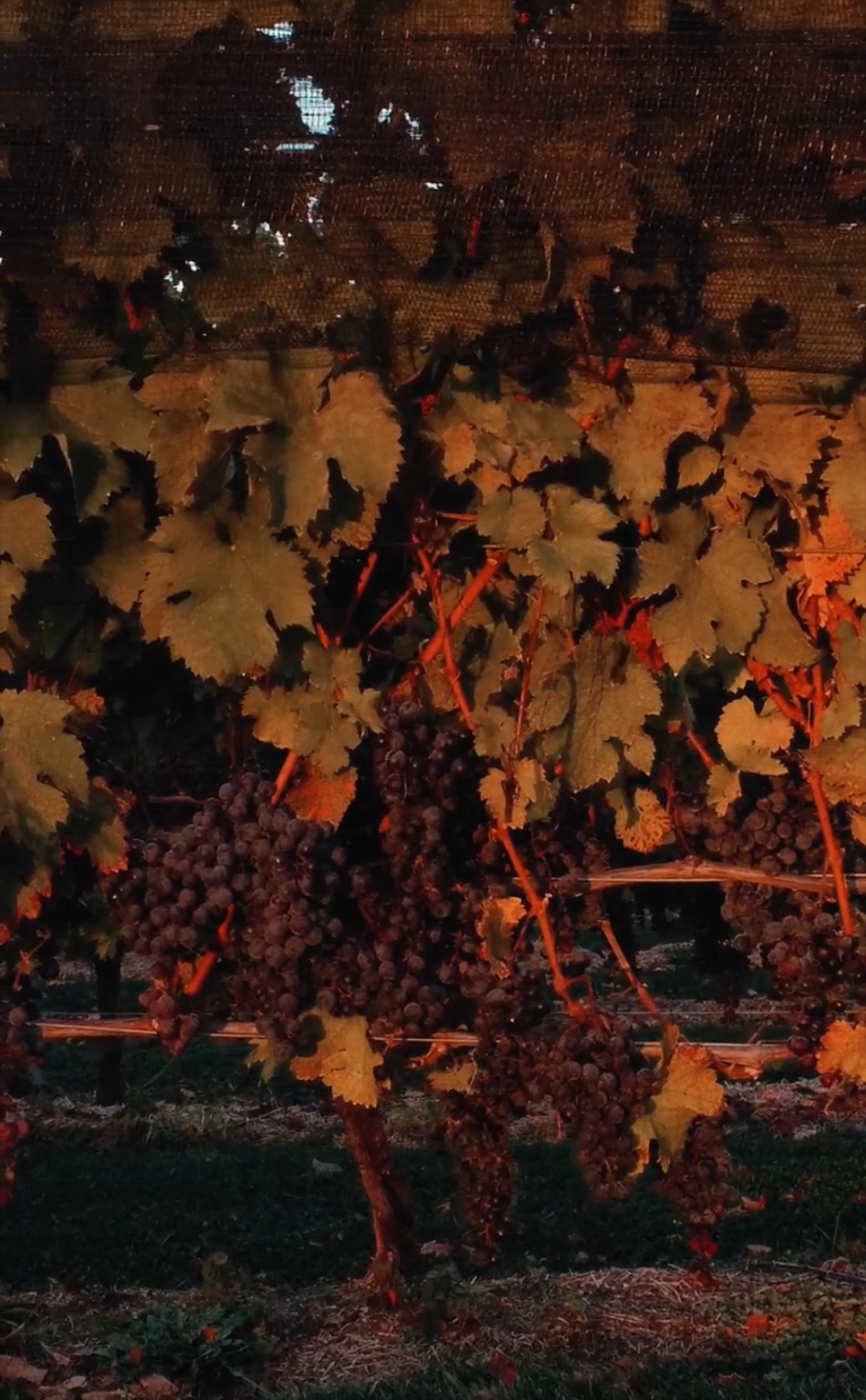
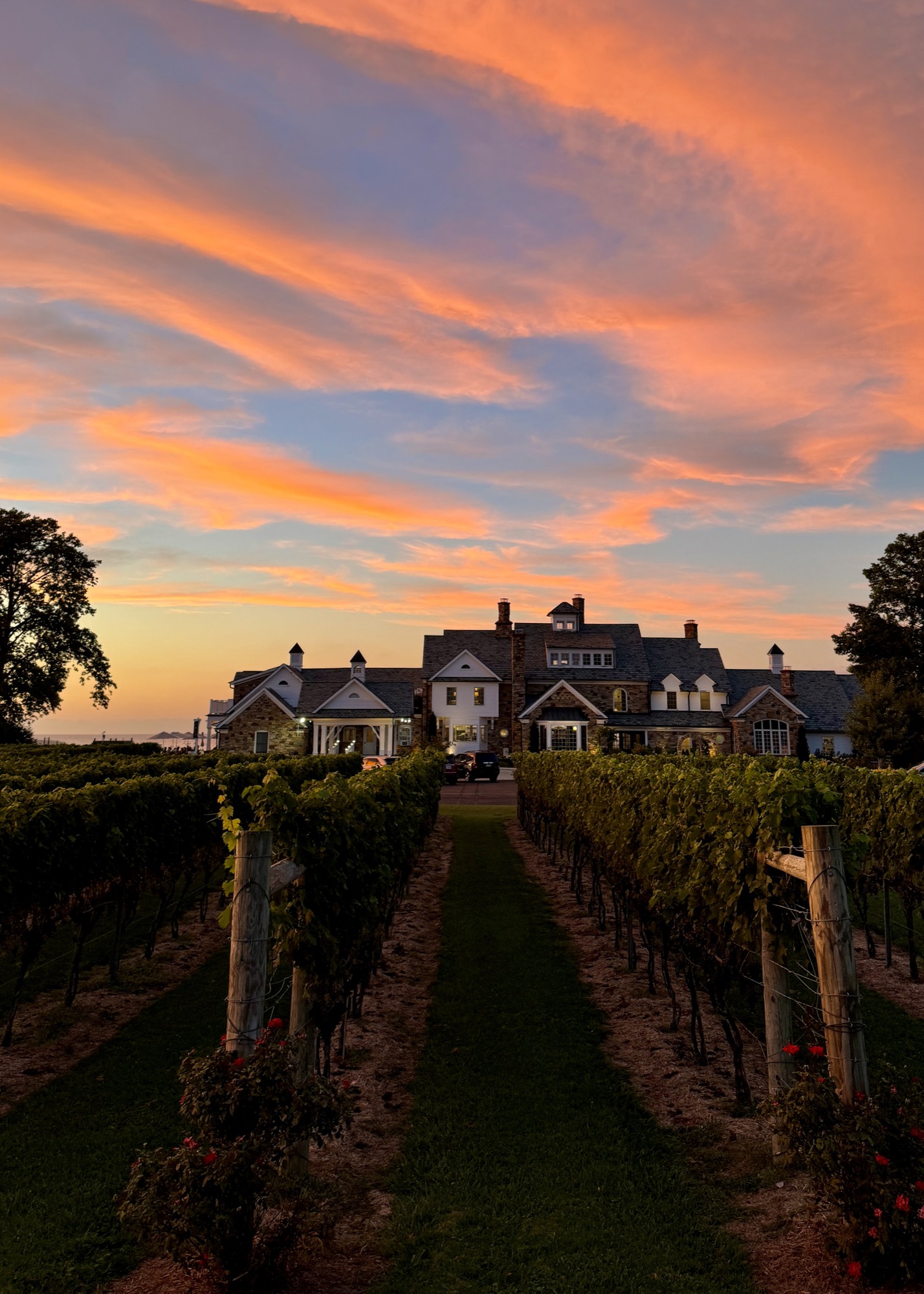
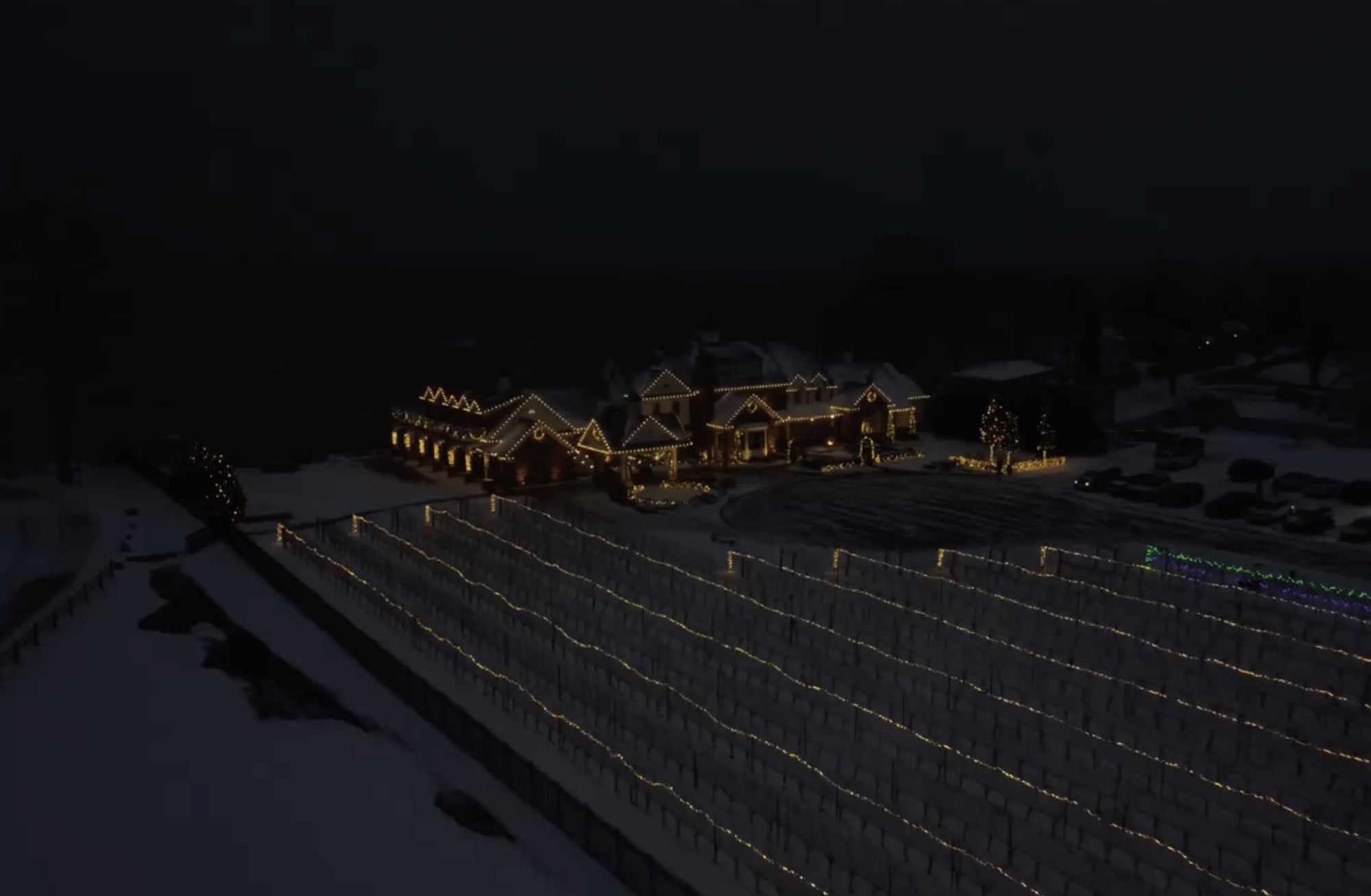
This is the Grand River Valley, an appellation since 1983 and home to about 1,300 acres of vines. One of those acres is here. Ohio State’s viticulture team helped lay it out in 2019, and in 2020, with the pandemic shutting down work inside the house, the Cabernet Franc went into the ground.
The experts said to give the vines three years before they produced fruit worth using.
They took fourteen months.
There was one problem. Nothing on the property could press a grape. So the neighbors came: nearby wineries lent equipment and hands, and that borrowed harvest became the first estate Cabernet Franc.
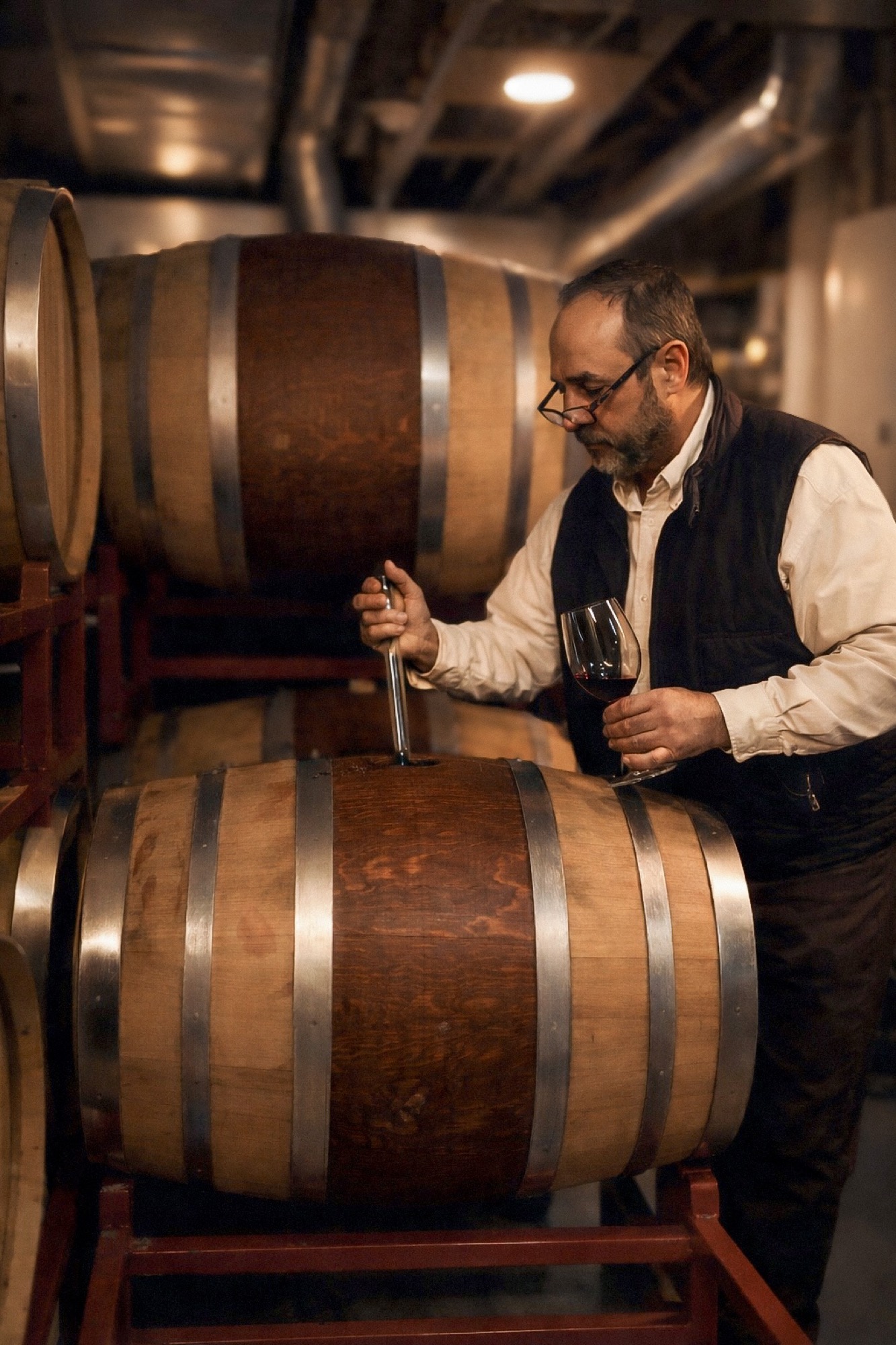
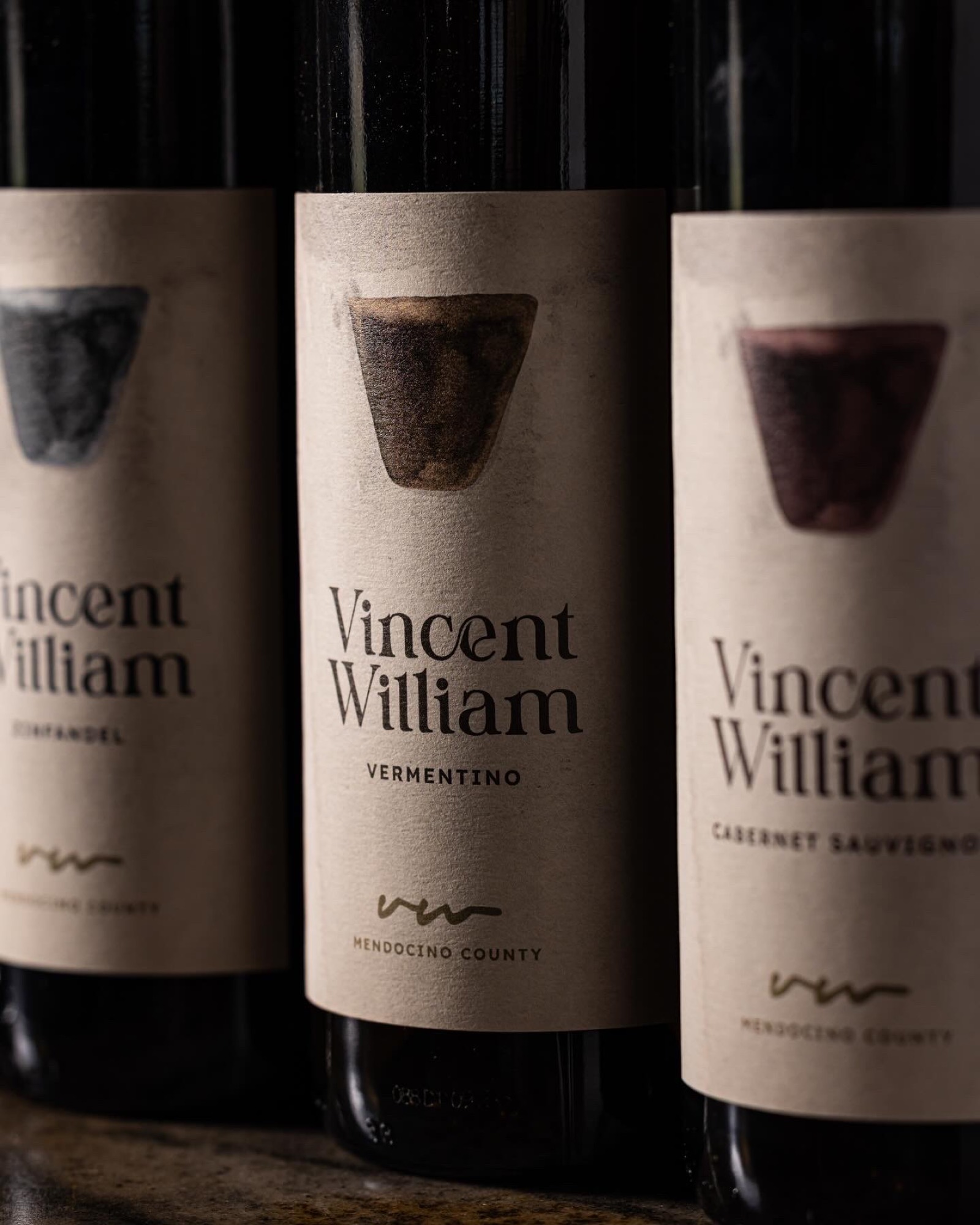
It is still the flagship: hand-picked, twelve months in French oak. The 2022 vintage won Double Gold at the 2025 Ohio Wine Competition. Pinot Noir and Chardonnay followed.
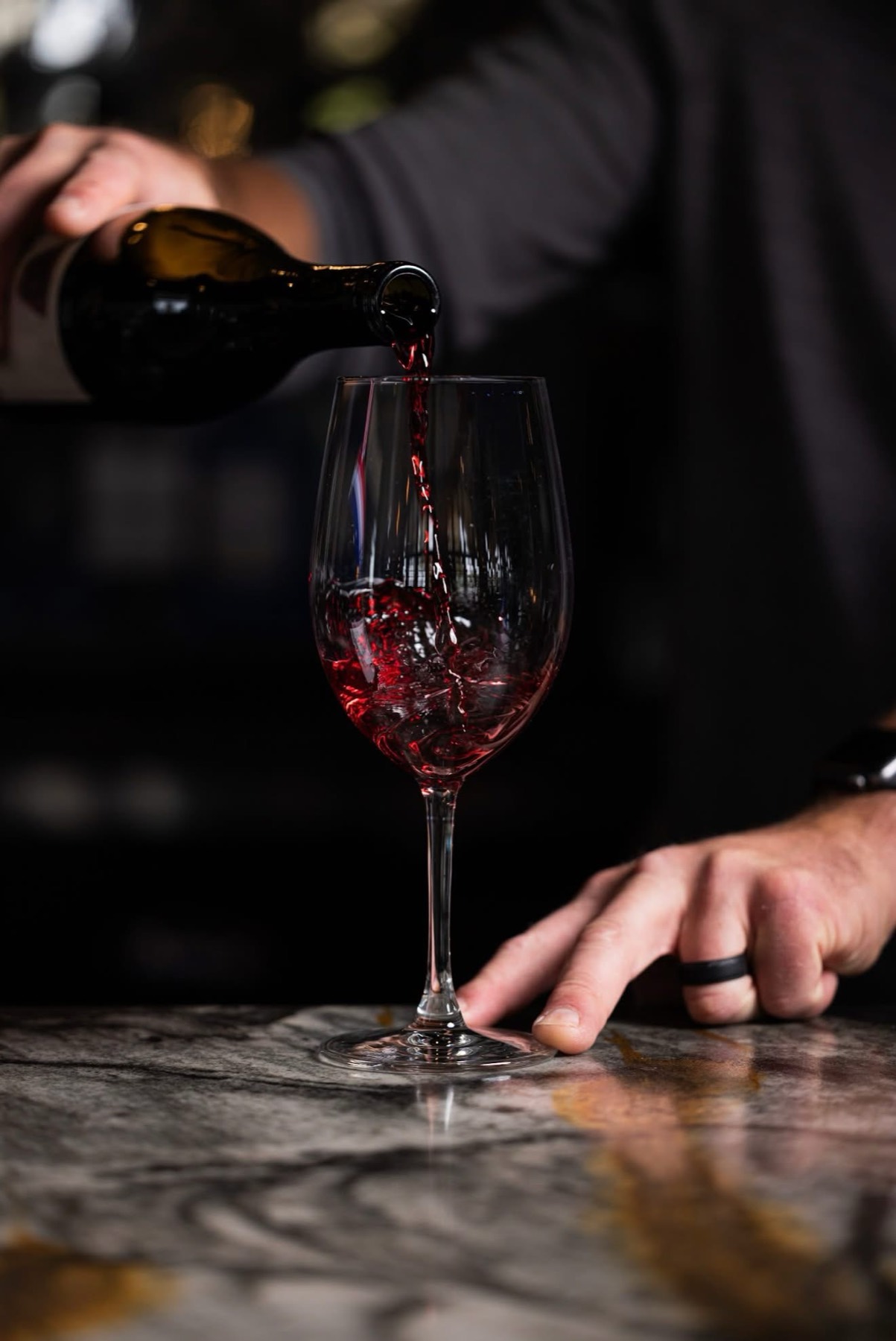
Michael still makes it himself, and most nights he is the one pouring it at the bar off the dining room. Ask him why the list is so short. If the family would not serve a wine at its own table, he does not release it.
“I learned the mechanics of how not to screw up a good grape.”
Michael Profeta
The Estate
The Ground · 1914—1962
During the build, the crew digging out the pool started turning up plates. Broken china. Forks. Nobody working on the property could say why they were there.
So the family asked. The county historical society had the answer: for forty-eight summers, this land had been an inn.
Dr. J. V. Winans built Cottage Grove Inn here in 1914, a summer boarding house above the beach. J. W. Snell took it over, and later his daughter Marcia ran it, and between them it grew to forty rooms. Erosion ended it. By 1962 the ground under the building had been undermined; an auction on June 9 sold off the furniture and the kitchen equipment, and the inn came down. A steel seawall holds that bank now.
One building was left standing, at the top of the street: the linen house, where the hotel’s sheets were washed and pressed.
It was the duplex. The warm-up project, the first Airbnb. When that first guest checked in, it had been more than fifty years since anyone paid to sleep on this land.
Three owners had asked what the house should be. None of them had asked what the land had been.
The Postcards
Guests mailed these home between the 1910s and the 1950s. They show long clapboard verandas under old-growth trees, sand, and the lake behind. One is dated in pen on the back: Labor Day weekend, 1929.
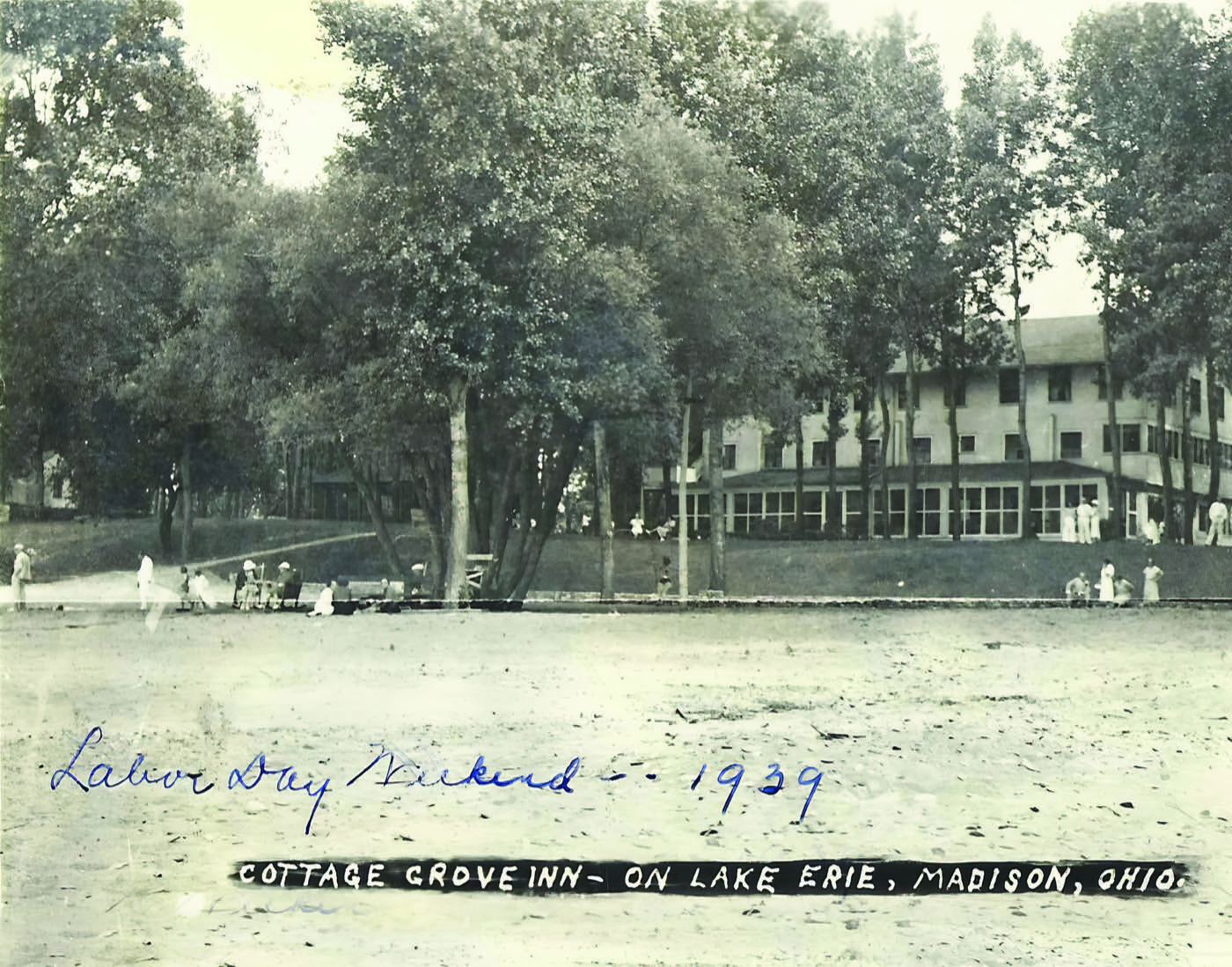
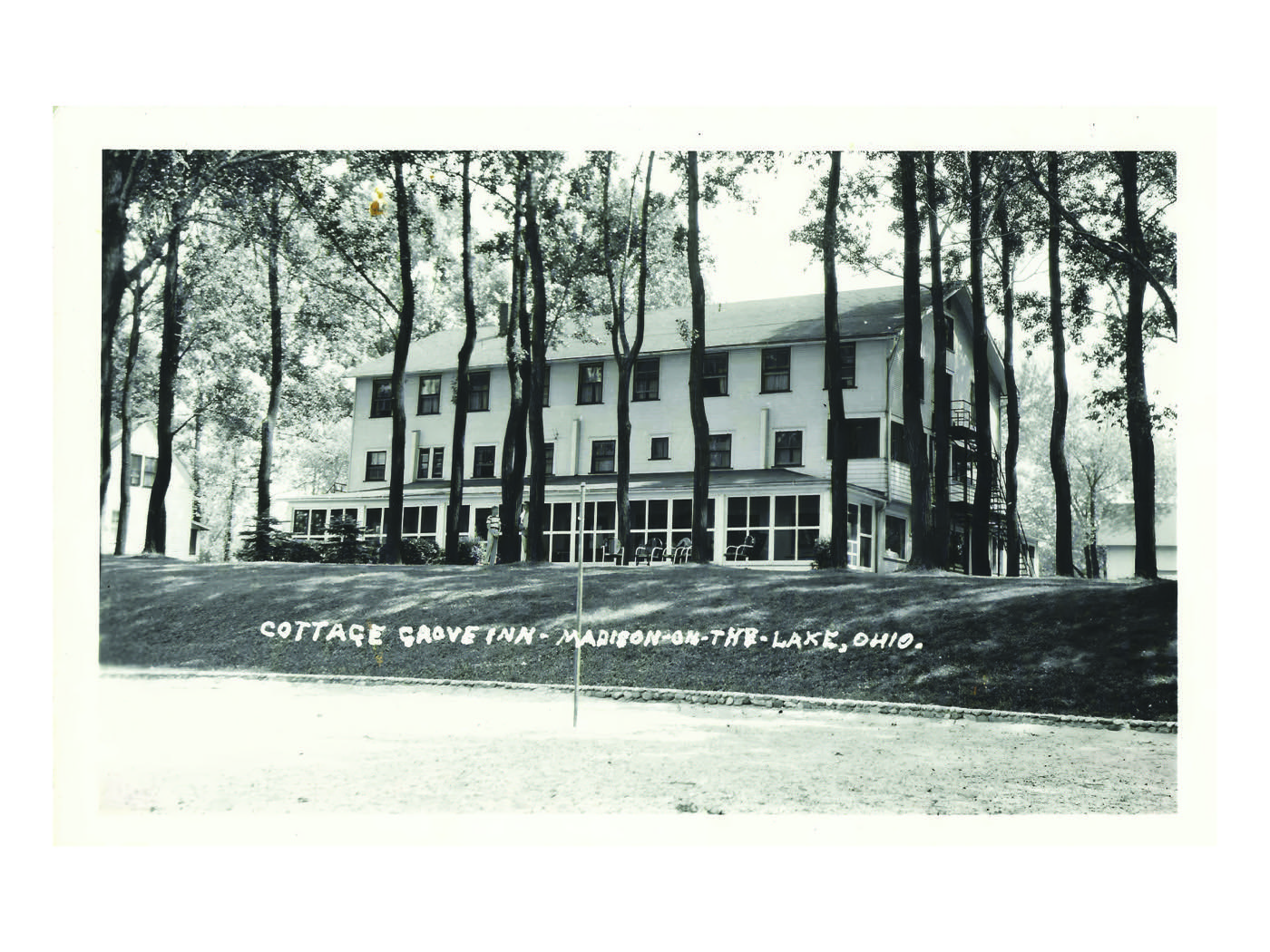
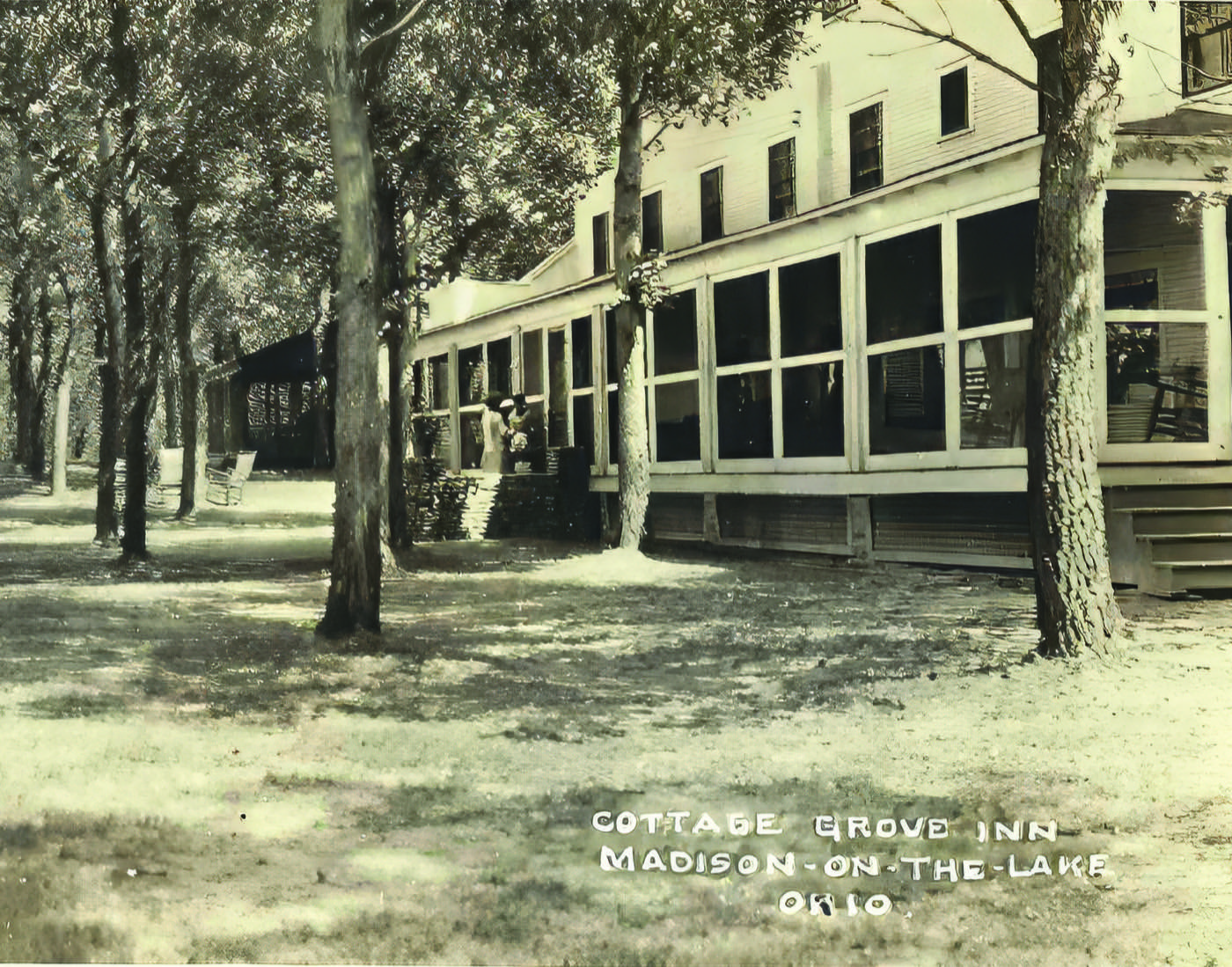
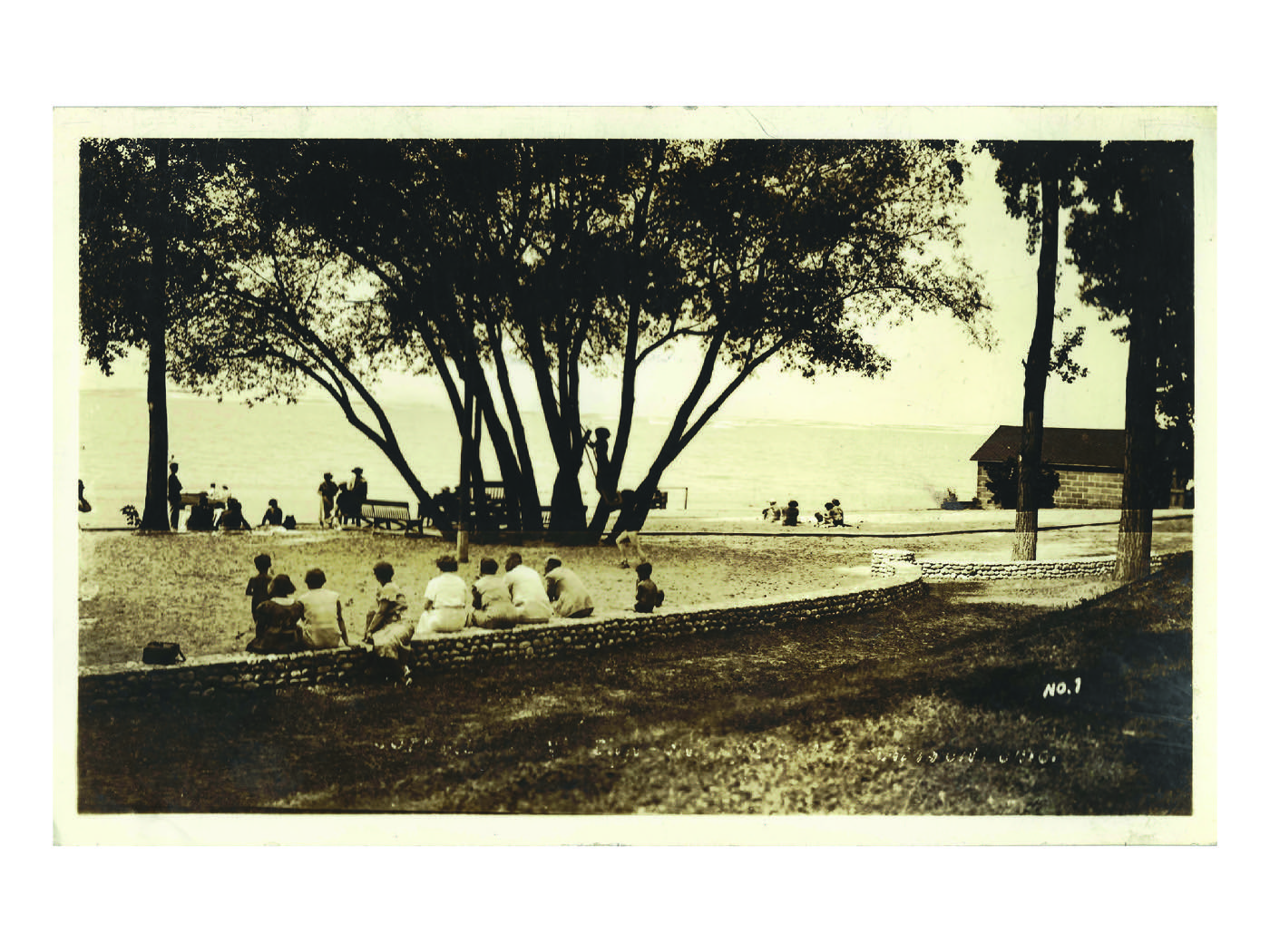
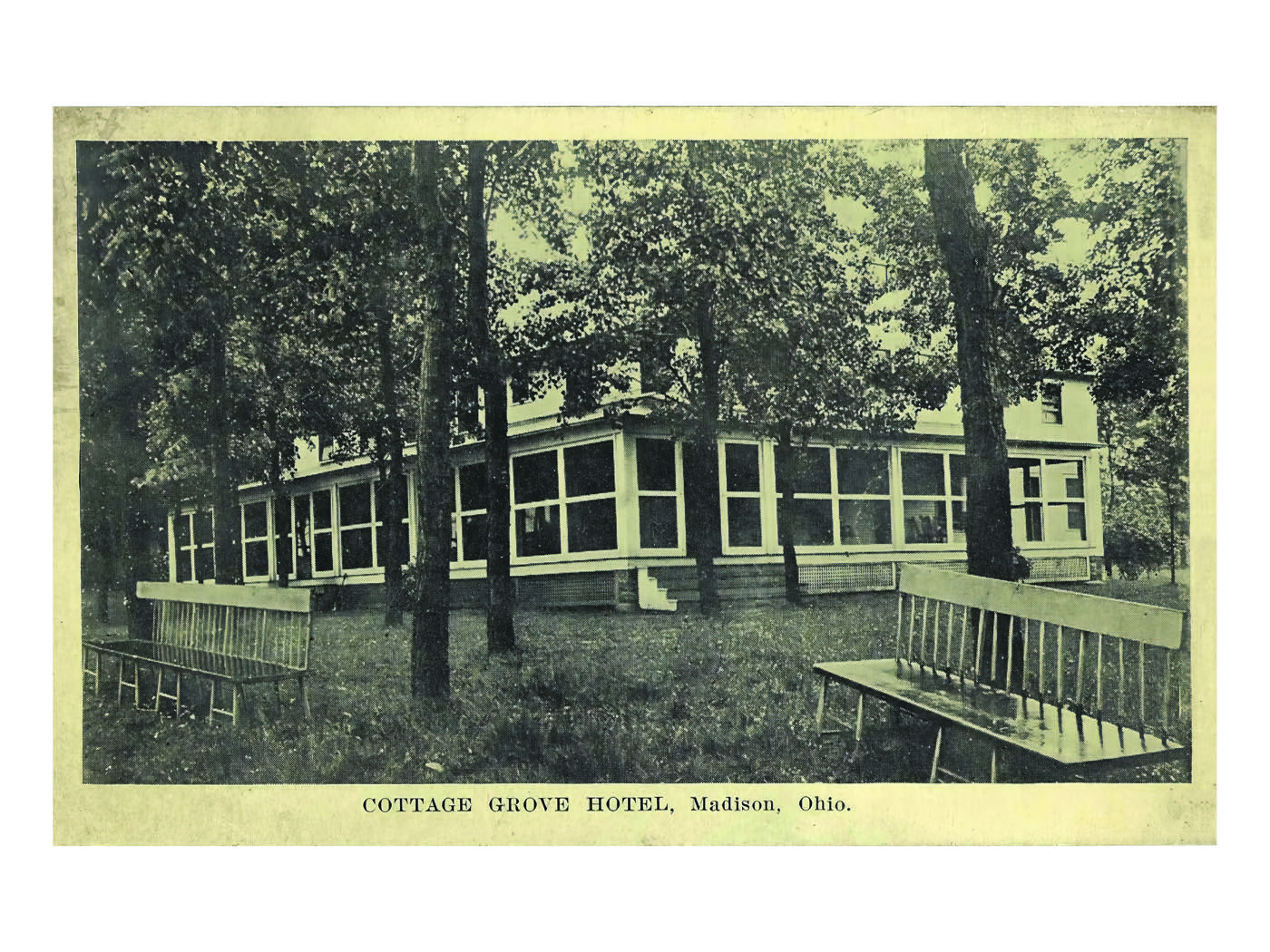
The inn closed in 1962. Vincent William took its first overnight guests in 2024, sixty-two years later, on the same stretch of shore.
The Rooms
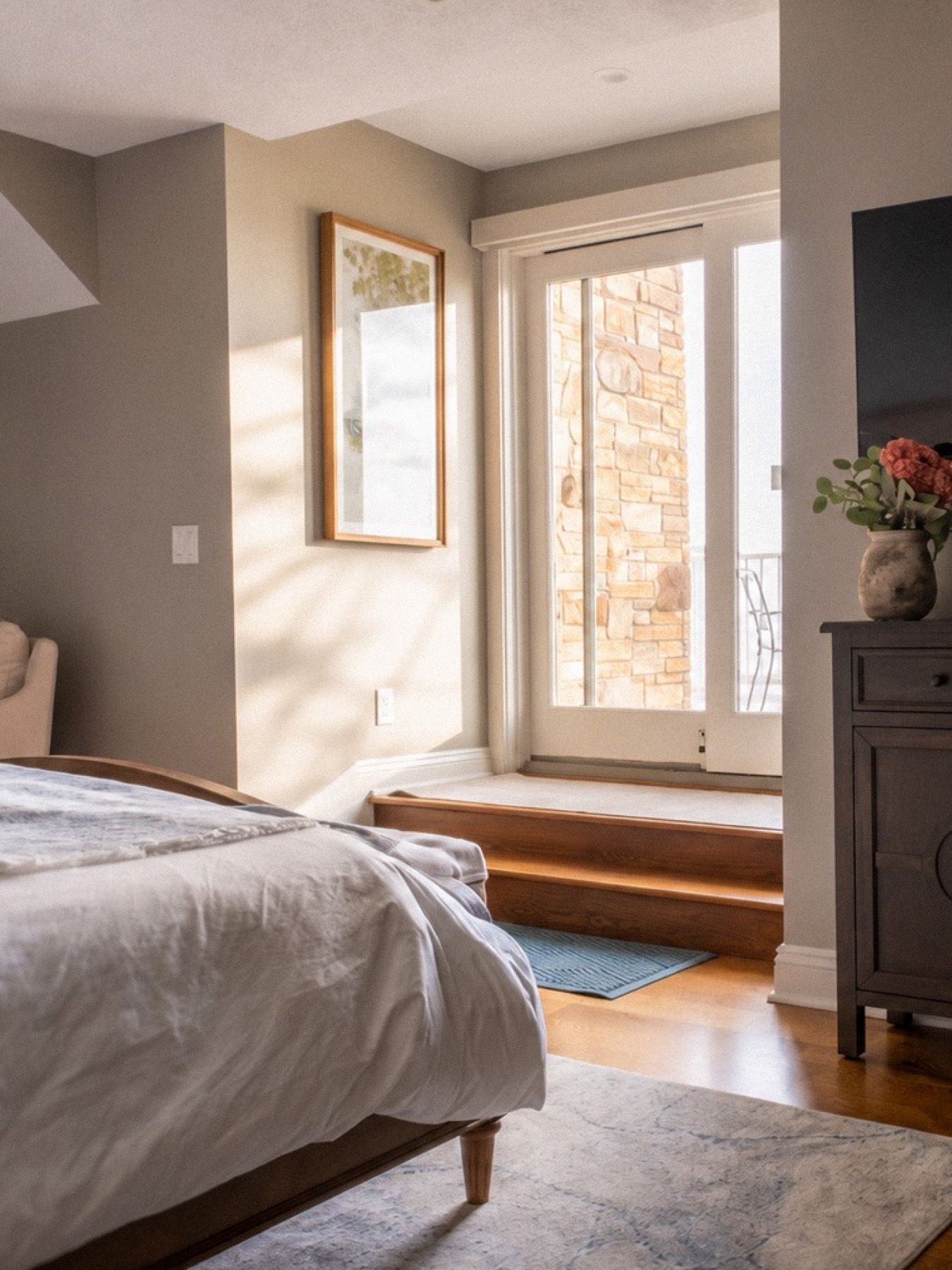
Eight rooms, adults only, every one with a view of the water. Vincent William looks nothing like the old hotel. It does the same job.
A couple finishes lunch and asks what the rooms upstairs are like. If one has just been turned, housekeeping will open it and let them look. Tracy, who manages the inn, usually walks new arrivals through the house herself.
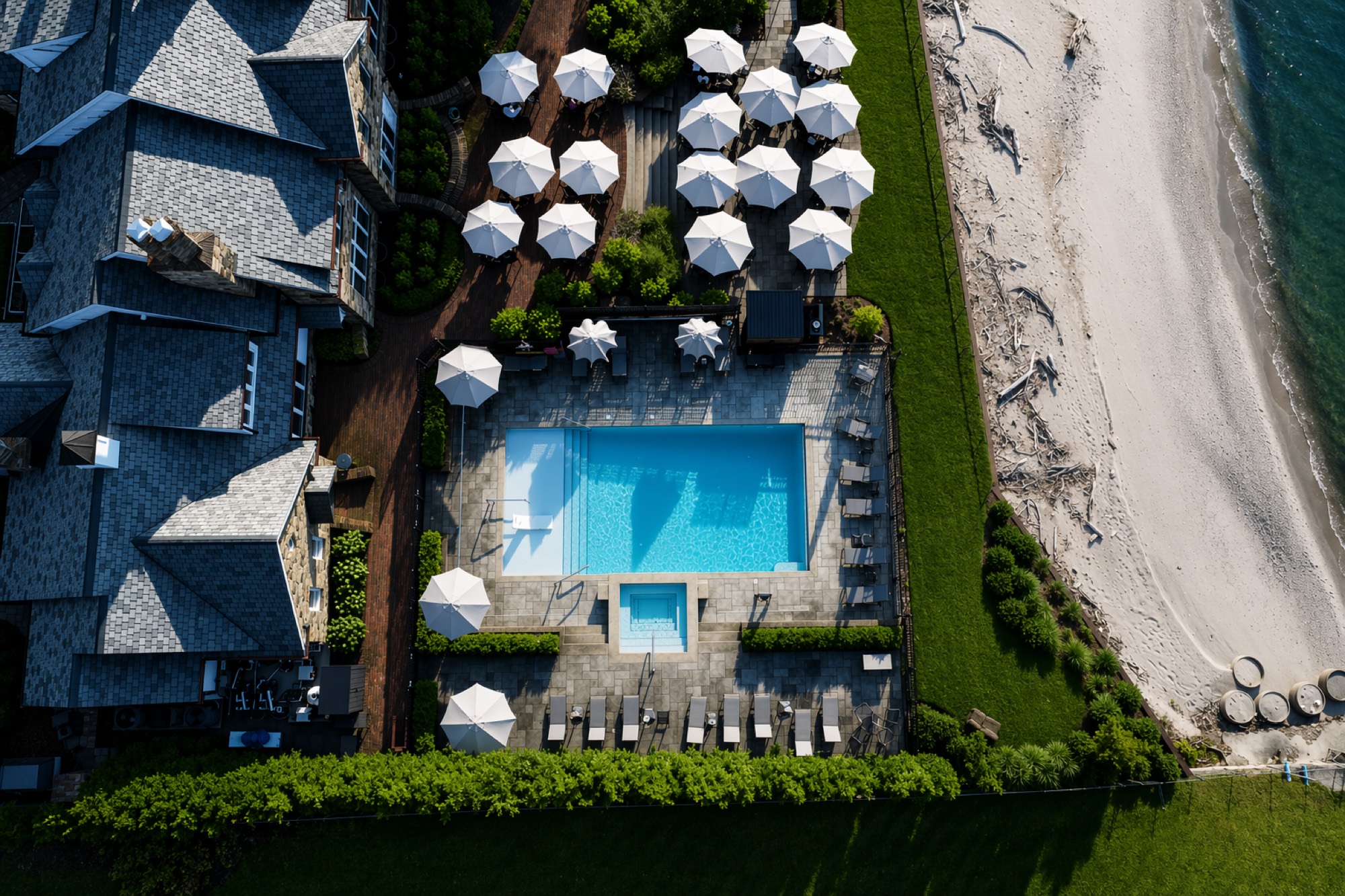
There is a lounge on the second floor and a gym on the third. The heated pool and hot tub are kept for overnight guests from May through November, which is why they are never crowded.
Ask Michael what the place is and he talks about the people who run it before he talks about the building.
“Vincent William is not your home, no matter how much you wish it were.”
A guest, writing on Google
Eating
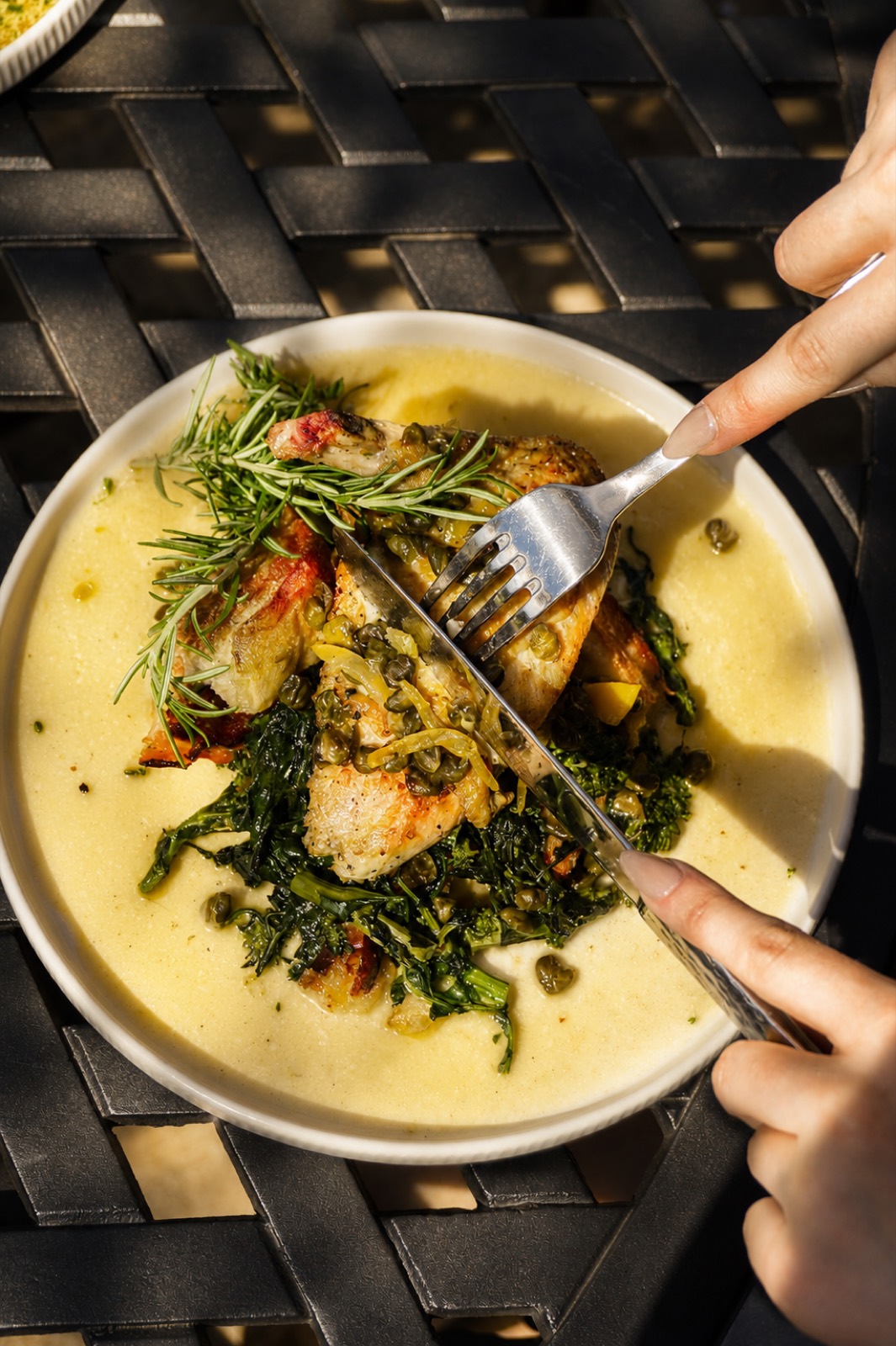
Executive Chef Jeff Gable buys in season from the farms around the property — West Orchards, Bonner Farms, Rainbow Farms — so the menu changes when their harvests do.
On the plate that means herbed focaccia and honey whipped ricotta to start, then Nonna’s meatballs; a frenched lemon chicken; seared salmon; a pork chop. Affogato at the end of it, or the caramel apple cheesecake.
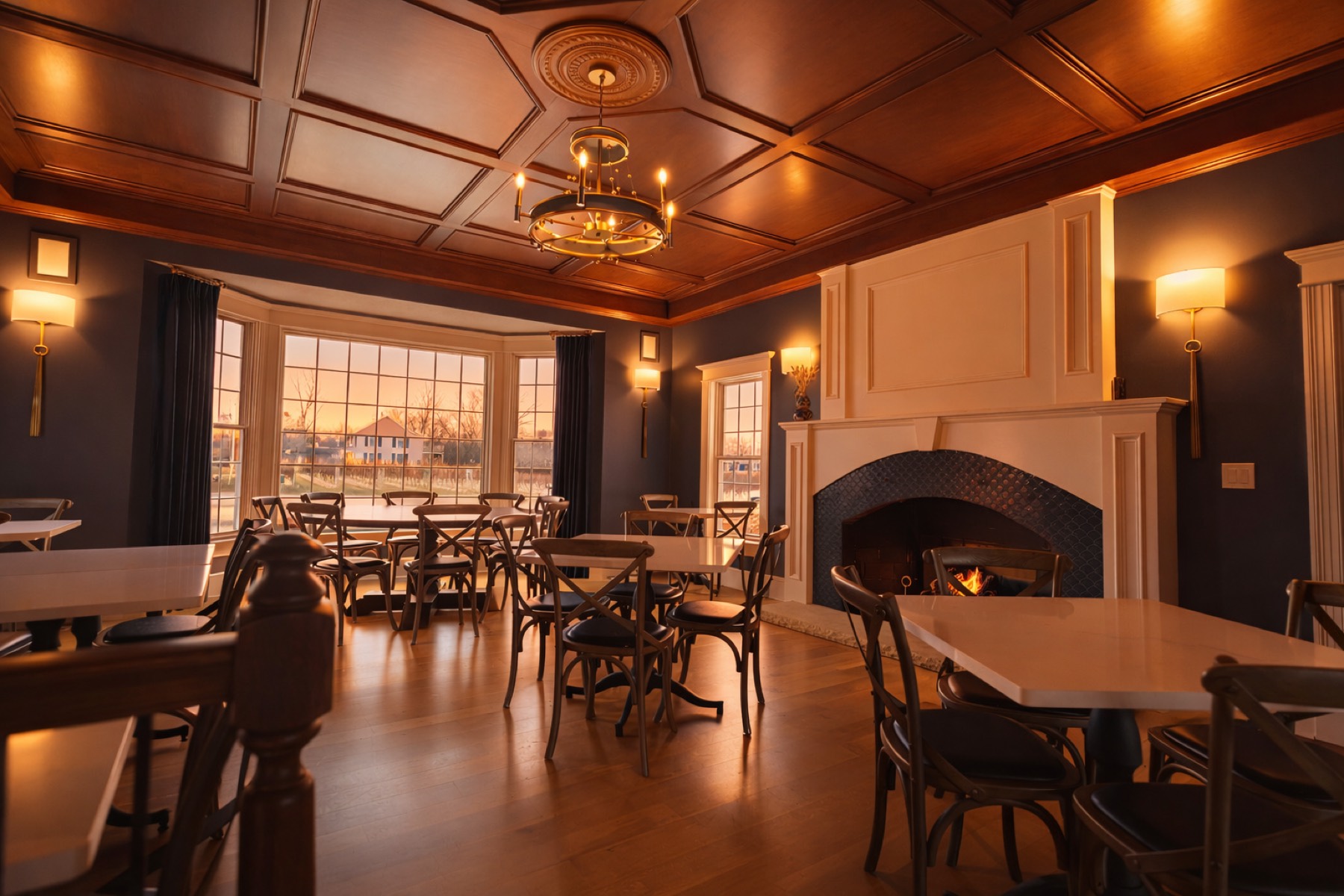
The cooking is American, and it comes from two family tables: the Italian one Michael grew up at and the Irish one Katy did. The wine poured with it is made in the cellar below the floor, from fruit grown on the other side of the window.
Lunch and dinner, Wednesday through Sunday; brunch on Sunday until two. Overnight guests get breakfast cooked to order in a room kept for it, with coffee roasted on the property.
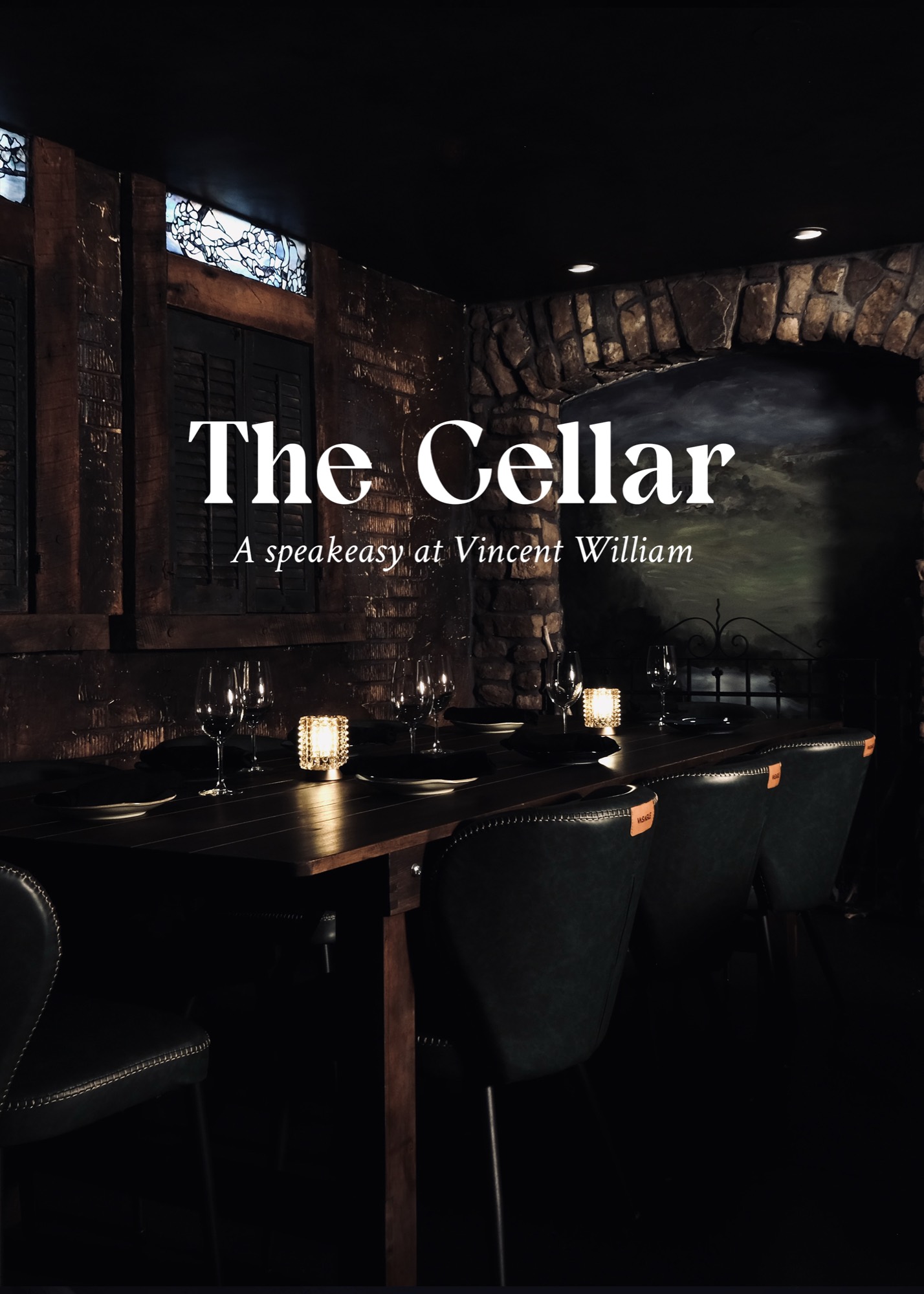
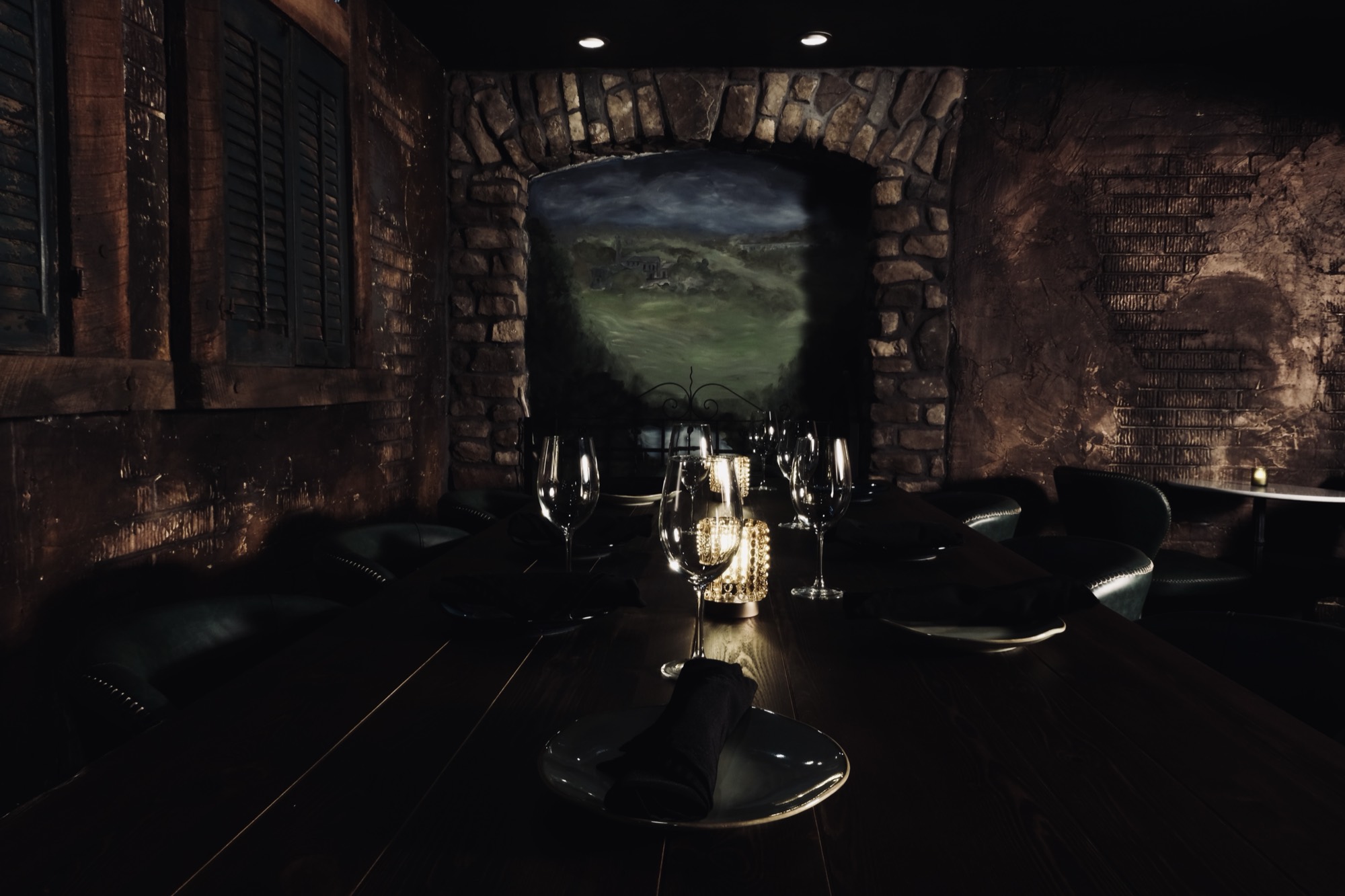
Below all of it is The Cellar, a speakeasy in the lowest, darkest part of the house. Twenty-five seats, Irish cocktails, and a short whiskey list alongside the wine.
Recognition
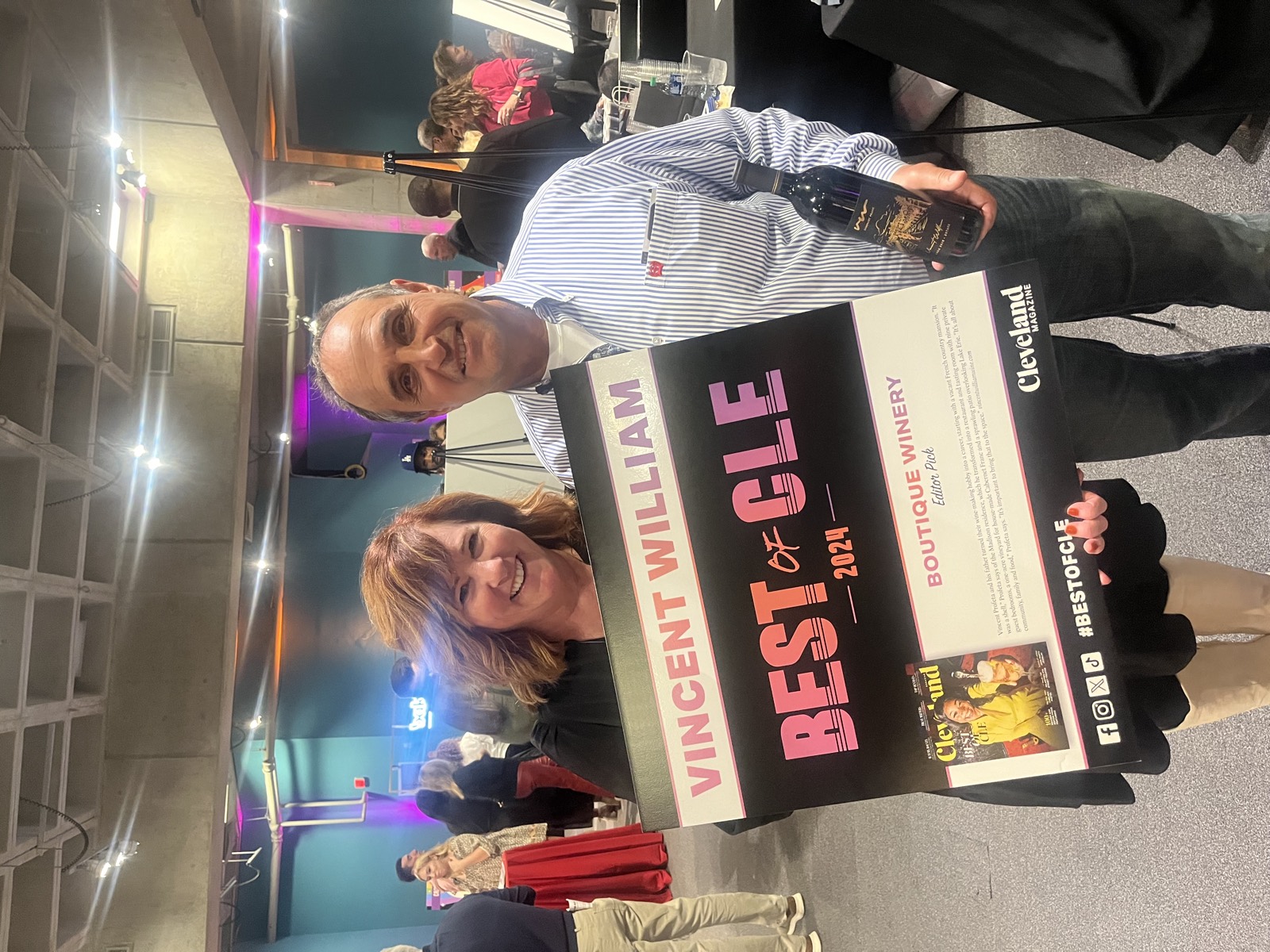
Three awards so far. The thing guests mention first, though, came with the lot: Lake Erie, out the north windows.
The Timeline
1914Dr. J. V. Winans builds a forty-room summer boarding house above the beach. It runs forty-eight seasons, most of them under the Snell family.
 1962
1962Erosion undermines the ground beneath the building. The inn and the cottage beside it come down, and an auction on June 9 sells the furnishings first. Only the linen house is left standing.
 1997
1997The lot is proposed as parkland, then as a subdivision. In the late 1990s a family buys it and starts building a house to live in.
 2003
2003The shell goes back to the bank, which holds it about five years. A group of investors buys it, never settles on what it should be, and relists it in 2015.
2016Michael and Katy Profeta buy the unfinished house. There is no plumbing and no finished room in it, and Lake Erie is out the north windows.
 2017
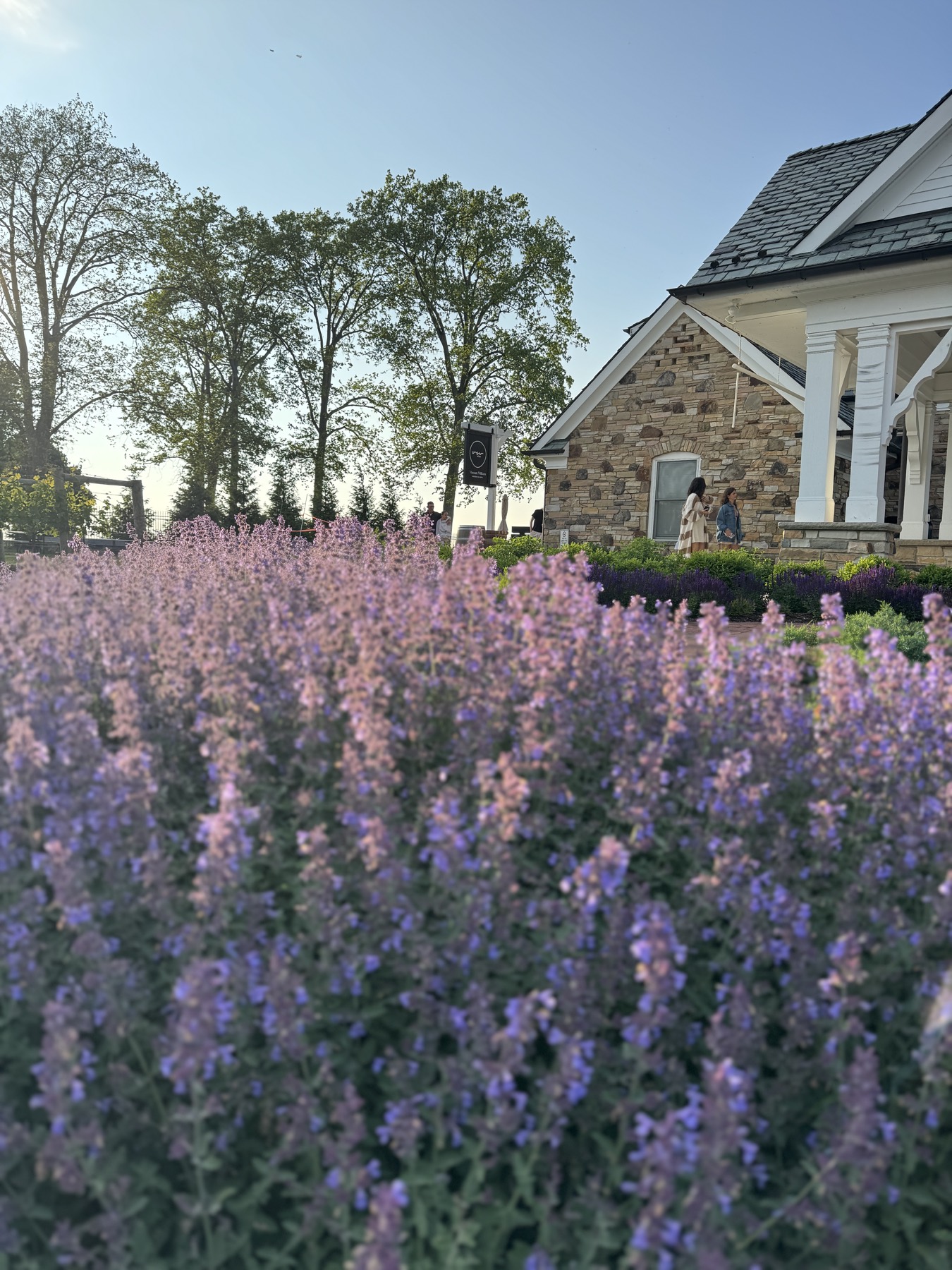
2017They buy and restore the building at the top of the street, the last piece of Cottage Grove Inn still standing. It becomes the Vincent William Guest House.
 2018
2018The Profetas re-zone the property from residential to agricultural, which is what a winery on the site requires.
2019A commercial sprinkler system costs them twelve months. Ohio State University’s viticulture team arrives, and the Cabernet Franc block is laid out.
2020The pandemic halts the build, so the work moves outdoors. One acre of Cabernet Franc goes in the ground.
2021New vines are expected to take three years to give usable fruit. These take fourteen months, and there is nothing on the property to press them with. Neighboring wineries lend equipment and hands.
 2023
2023The family hosts private and semi-public events, partly to learn how people actually move through the rooms.
 2024
2024The winery and restaurant open to the public in February. The first overnight guests follow upstairs.
The Build
The drawings for the house had been lost in a county flood, so before any room could be finished, the family measured every one of them by hand. Years later, on a plane, they got talking with another passenger, who turned out to own a house in Gates Mills built from the same design. That conversation led, eventually, to the architect who drew it.
Before there could be a winery, the property had to be re-zoned from residential to agricultural, which took until 2018. The next year a commercial sprinkler system cost the family twelve months.
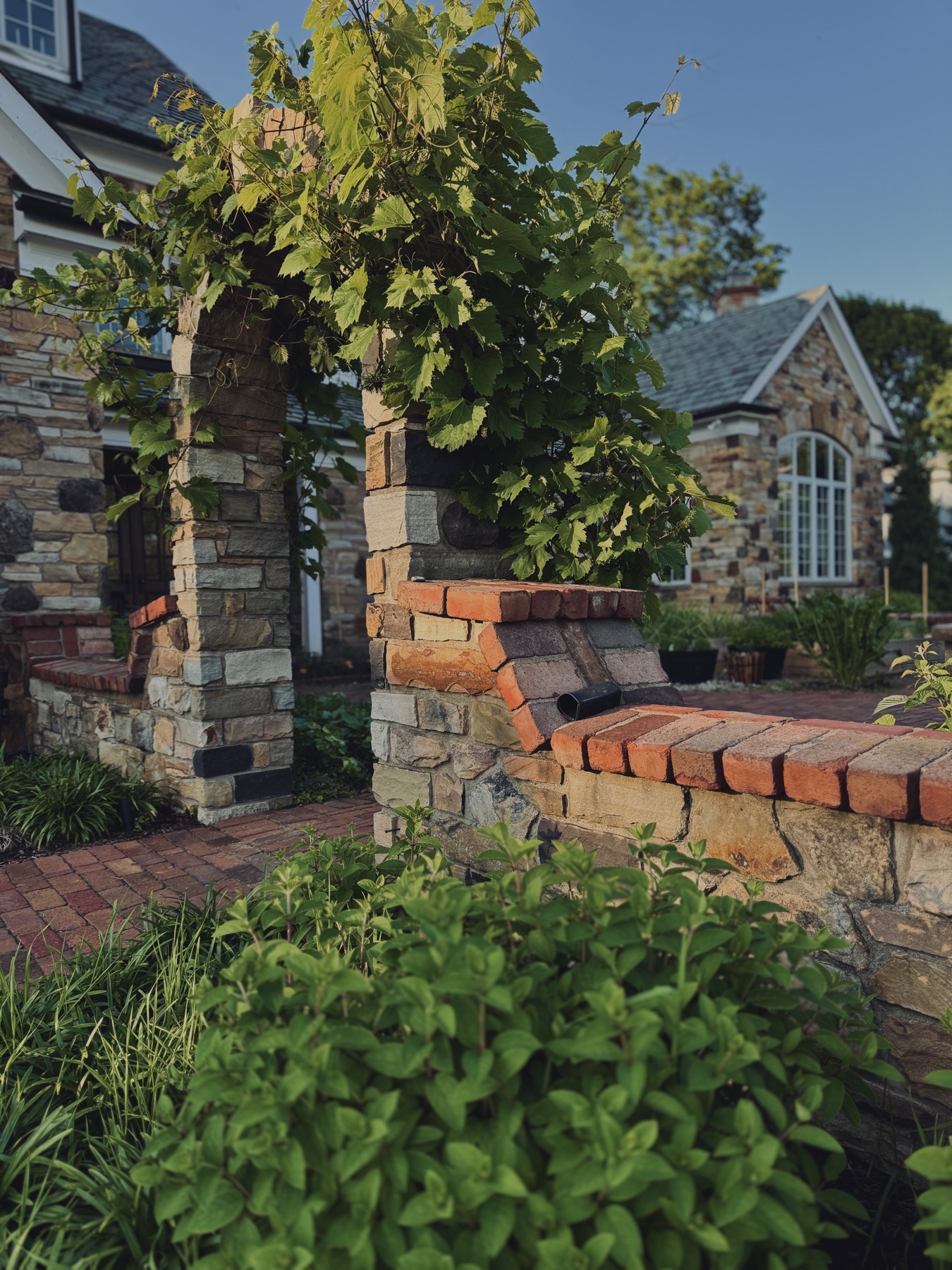
The patio stone came off streets and university campuses in Ohio and Indiana. The brick came off Ohio roadways. The slate on the roof came off a church in Pennsylvania. As much of the building as possible had already been something else.
Between the pandemic and what planning and zoning required, Michael and Katy took on much of the general contracting and a good share of the labor themselves. Local trades did the specialist work, and ask either of them about the build and they will name those people before they talk about their own part.
“There are no weekends when you’re an entrepreneur. You never really come up for air.”
Michael Profeta
It has been truer since he became, in most practical respects, a farmer. Grapes need attention when they need it, not when it suits him. Wine in the barrel has to be tasted and adjusted on its own schedule. None of it can wait for a better week.
Neither can a room full of guests.
So on a Friday in August he spends the morning in the vineyard and the evening pouring in the bar, while the patio fills and the sun takes its time going down into the lake.
The Name
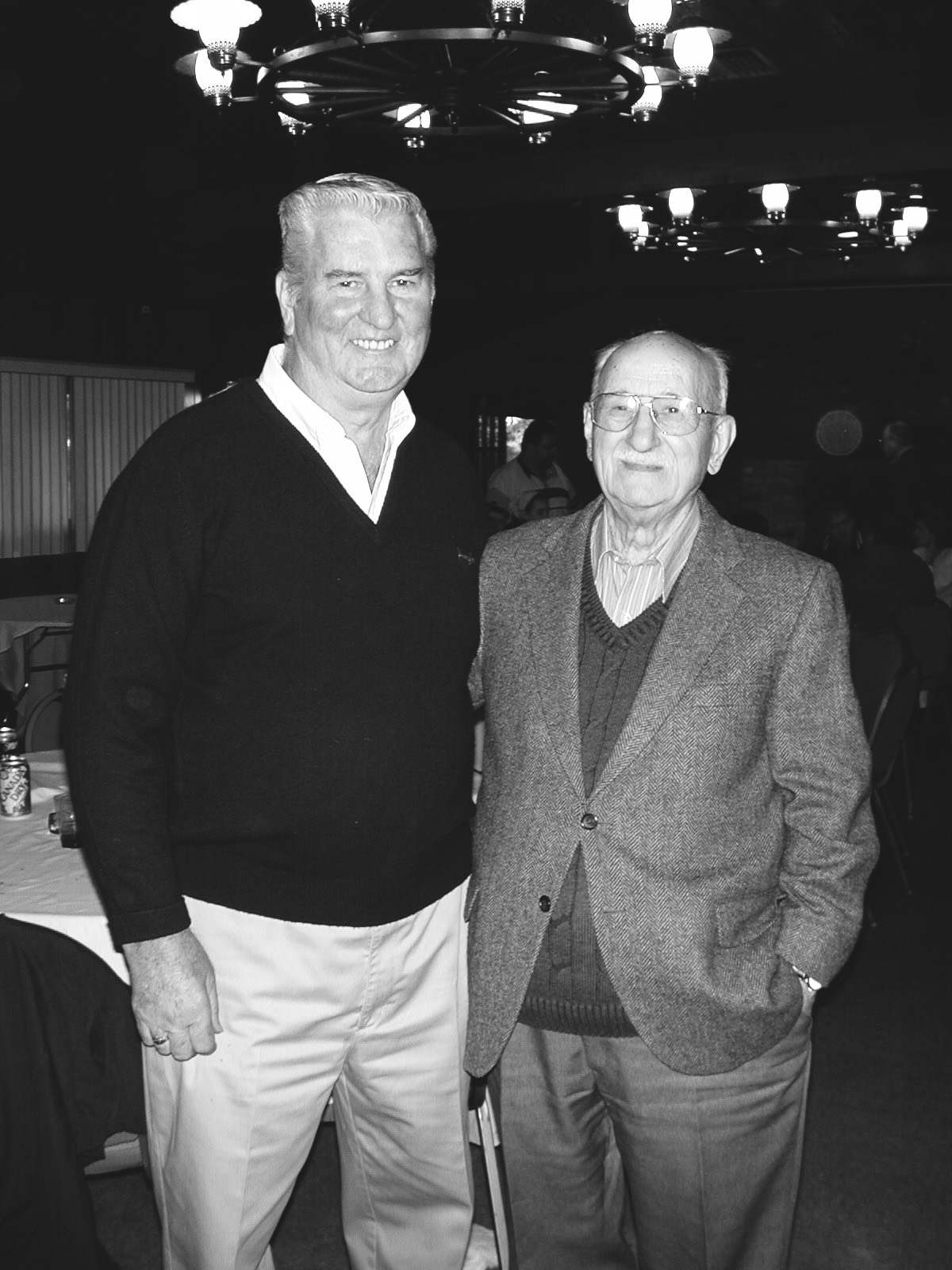
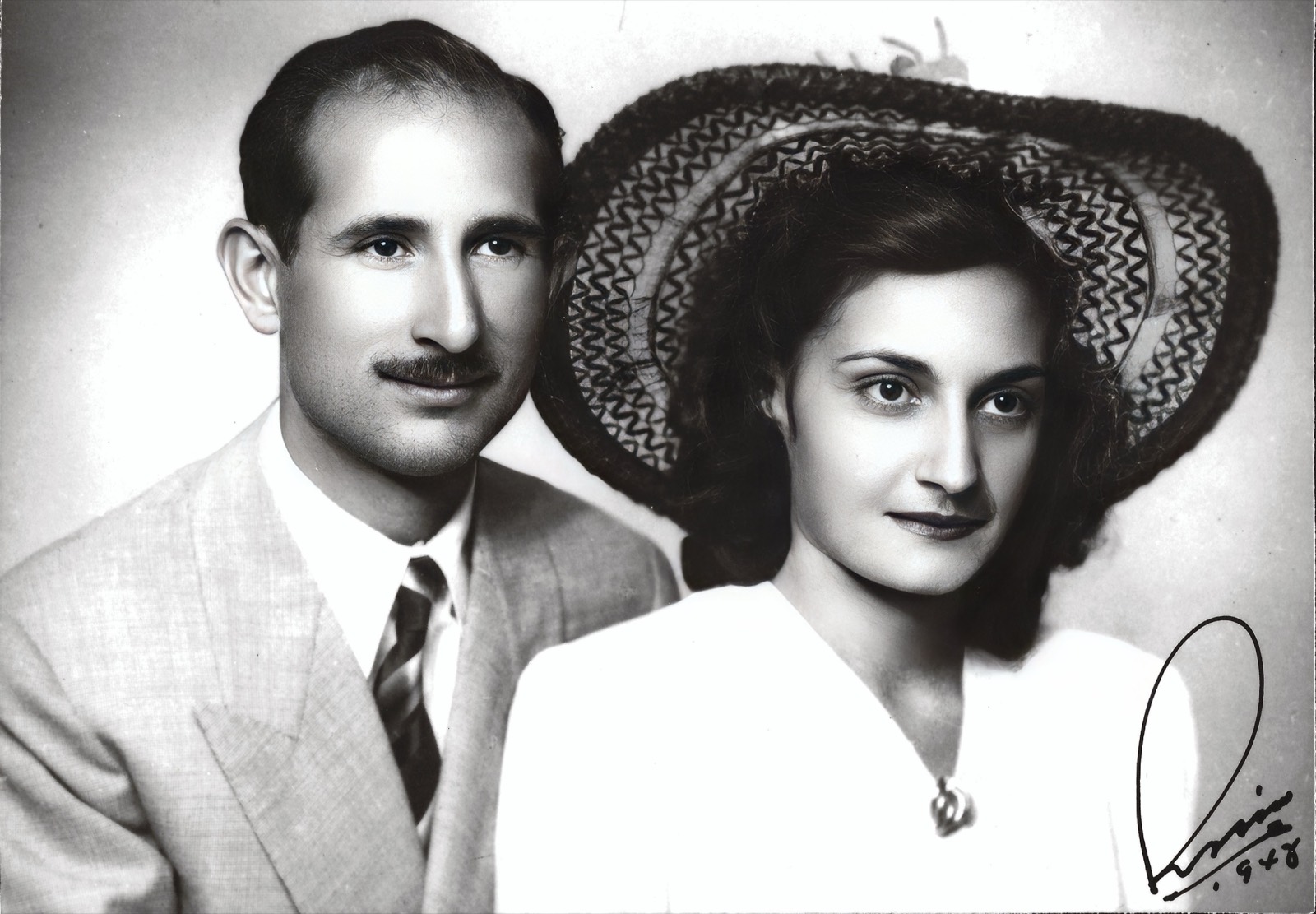
Two fathers gave the house its name, and the kitchen still cooks from both of their tables.
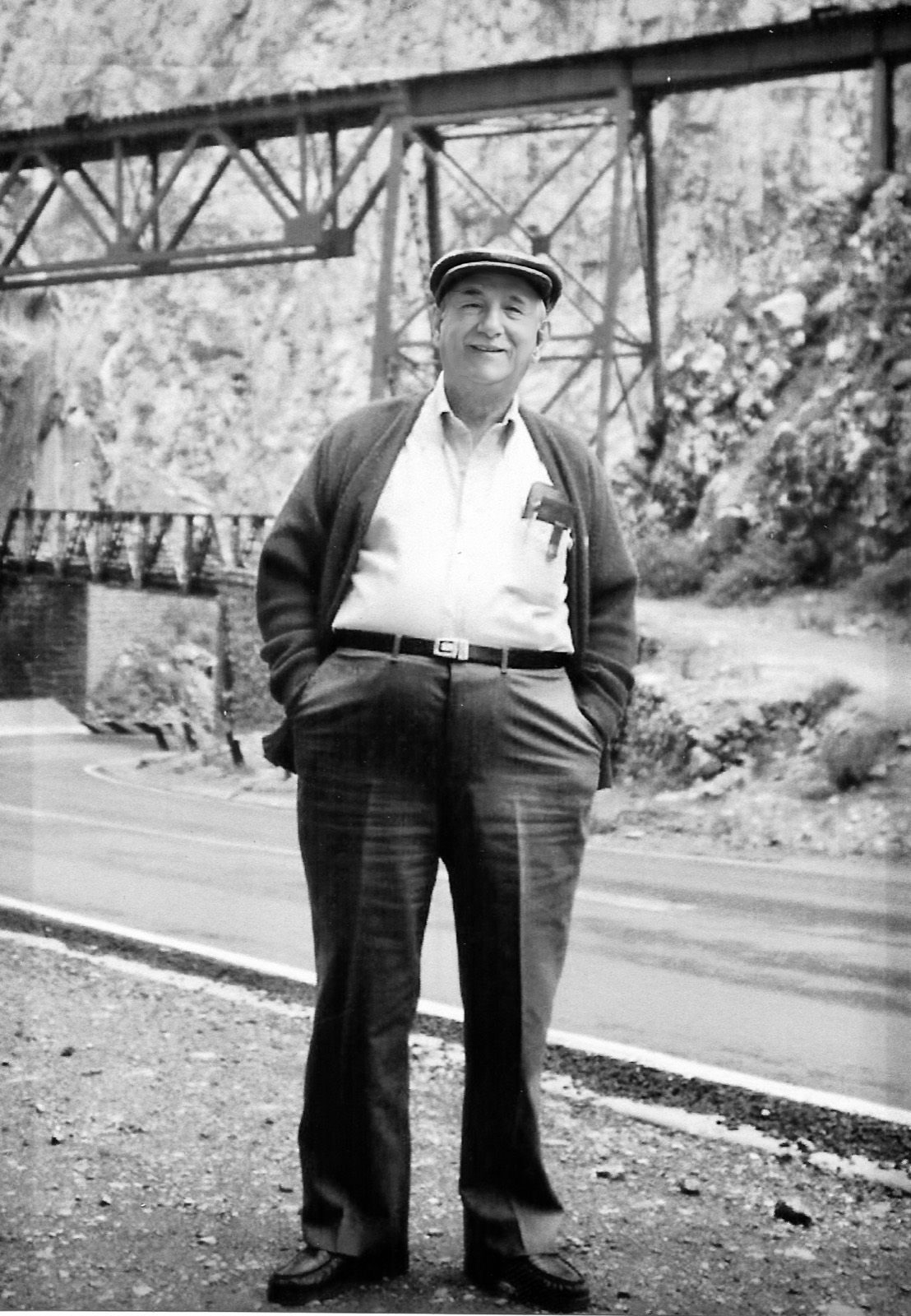 Vincent ProfetaItaly → Cleveland
Michael’s father, an immigrant from Italy, and the Italian half of the two family tables the kitchen still cooks from.
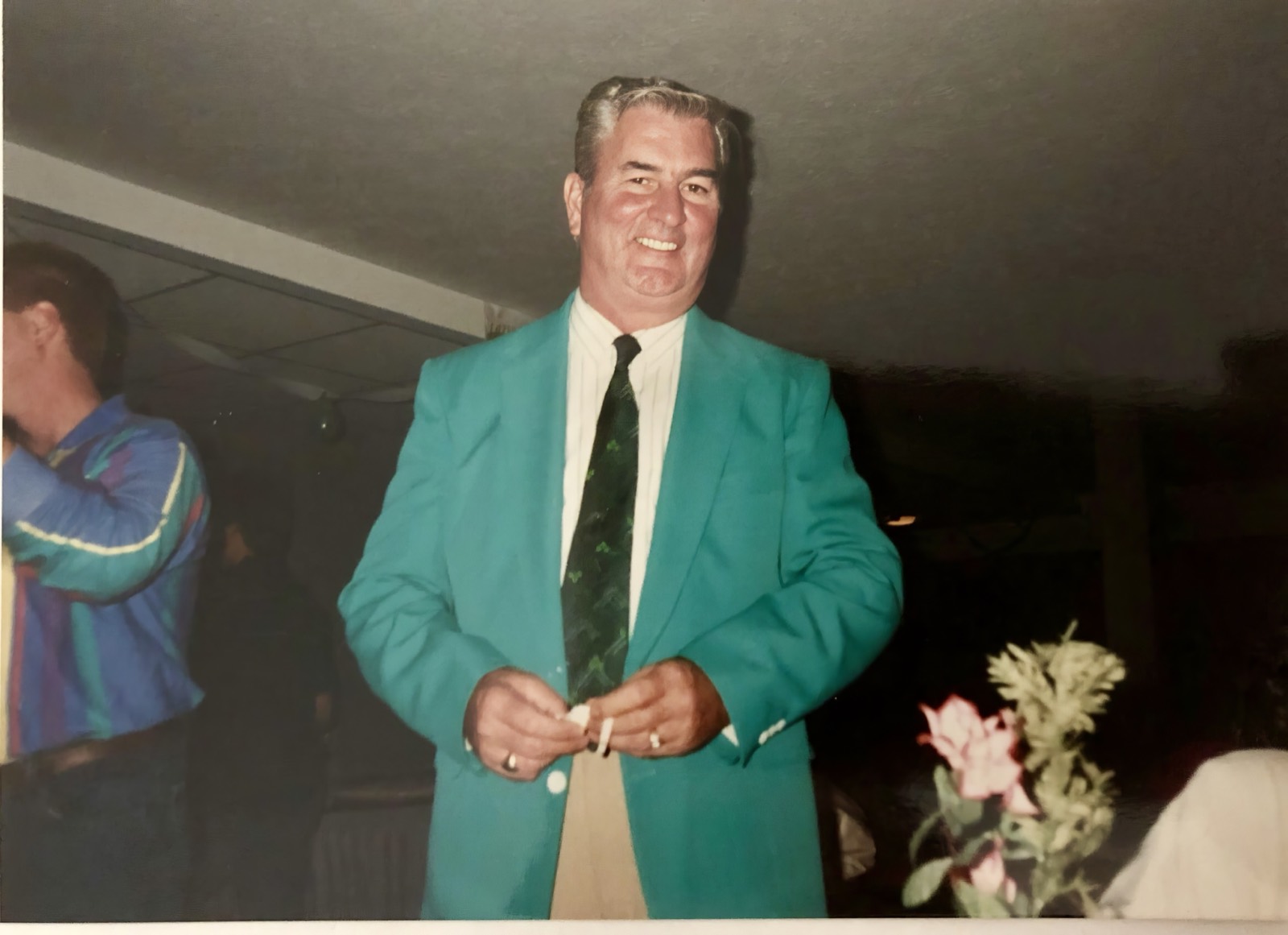 William CarneyCleveland · Irish American Club
Katy’s father, a second-generation American who formed the Irish American Club in Cleveland, and the Irish half of the same two tables.

The Details
The winery, the restaurant and the inn are in the same building, and the vineyard is out the window. Michael pours in the bar most nights, Chef Gable’s kitchen is open for lunch and dinner, and if you are staying upstairs, breakfast is cooked to order downstairs.